
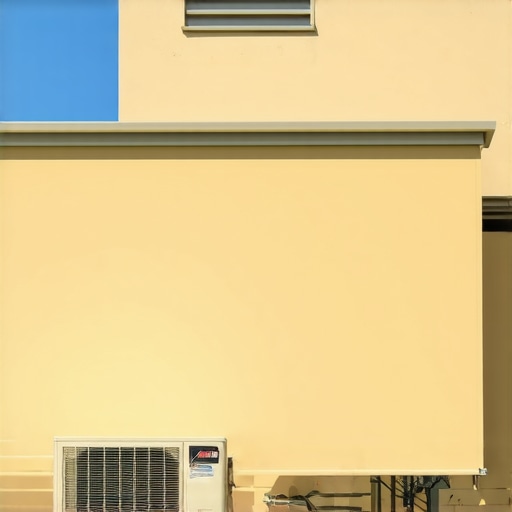
Last summer, I found myself drenched in sweat, blinds half-closed, trying to keep the blazing sun off my patio. Despite investing in fancy outdoor furniture and hoping for a cool breeze, my cooling bills skyrocketed. It hit me—my stubborn, outdated patio shades weren’t doing me any favors. Then, I had a lightbulb moment that changed everything: three simple ways to fix this and save big on my AC bills.
Why Your Patio Shades Could Be Costing You More Than You Think
Ever had that frustrating experience where you come home, see the glaring sun beating down, and wish your outdoor space was cooler? That’s me every summer — until I discovered that the right motorized shades could cut my AC costs dramatically. Believe it or not, outdoor sun control is one of the most overlooked factors draining your cooling budget.
According to recent studies, proper shading can reduce indoor cooling costs by up to 30%. That’s not just small change; it adds up fast. When I first started exploring options, I wished I had known earlier how much my old, manual shades were holding me back. They often stopped halfway or let stubborn sunlight stream through, ruining my plans and my efficiency.
The good news is, with the right **motorized patio shades**, you can enjoy a cooler home and save plenty on energy bills. I learned that investing in quality shades—like those from reputable brands—can transform your outdoor experience and your wallet. Not only that, but updated shades are easier to control and setup, giving you the convenience you deserve.
Looking to upgrade your setup? I recommend checking out some of the top fixes for your shades, which I personally tested and found effective for a cooler summer. Curious about the specific mistakes I made early on? You might want to avoid these common pitfalls, which can be costly and frustrating. For example, I initially neglected to insulate properly, leading to unnecessary heat gain and noise issues. You can find practical tips on avoiding these mistakes in my comprehensive guide.
Now, let’s dive into how you can implement these solutions today. By understanding the key benefits of motorized shades and the simple steps to enhance them, you’ll be well on your way to a cooler, more comfortable home — and lower bills, of course.
Measure Your Space Precisely Before Buying
Start by using a sturdy tape measure to determine the exact width and height of your patio opening. During a sunny afternoon, I spent a Saturday afternoon with a ladder and a helper, jotting down measurements on a notepad. It was messy, but accurate dimensions prevented costly mistakes later. Approximate sizing can lead to shades that are too small or too big, resulting in gaps or sagging. Be sure to measure in multiple spots to account for uneven walls or ceilings. Once determined, match these measurements to the specifications of the motorized shades you plan to install. Remember, precision here saves money and frustration in the long run.
Select the Right Motorized Shade System
Choosing a system like motorized patio shades is crucial. Picture this: your shades are like a good umbrella—if it doesn’t open smoothly, the whole setup falls flat. I opted for a brand with a reputation for durability and easy remote control, which meant less fuss as summer heated up. Consider features such as weather sensors, solar power options, and compatibility with smart home devices. Reading reviews and consulting with a professional shop can help you pick a system that withstands Denver’s unpredictable weather.
Install According to Instructions—No Shortcuts
When I installed my shades, I followed the manufacturer’s guidelines step-by-step. This was as critical as tightrope walking in a breeze; skipping parts or rushing could cause misalignment or malfunction. Use a level to ensure tracks are perfectly horizontal and anchors are secure. If you encounter issues, consult specialized content like fixes for common motorized shades problems. I learned that improper installation could lead to the shades stopping halfway, a problem explained in detail here. That day, patience was my best friend—securing each mounting point firmly is non-negotiable.
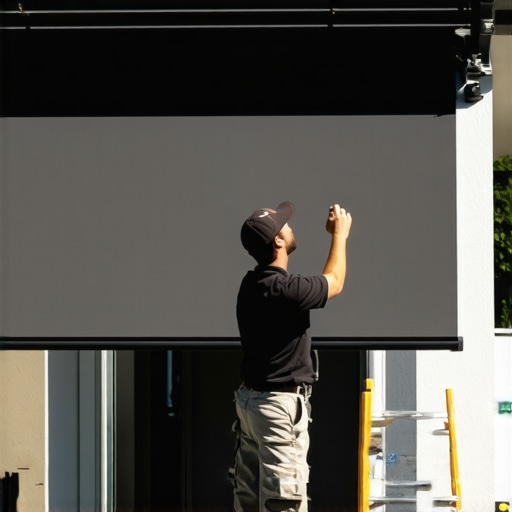
Image illustrating step-by-step installation process of motorized patio shades showing proper mounting and alignment techniques.
Configure and Test Your Shades for Optimal Performance
Once installed, connect your shades to the control system and run initial tests at different times of the day. I did this on a bright Saturday morning, slowly raising and lowering the shades to check for smooth operation and full coverage. If you notice hiccups, troubleshooting steps like adjusting the motor limits or tightening track brackets are essential. Learn from my mistake of rushing through the setup, which initially caused the shades to stop prematurely—something I fixed after reading this troubleshooting guide. Proper configuration ensures your shades will relentlessly block out the sun, saving energy and boosting comfort.
Maintain Regularly for Long-Term Ease
After a month of consistent use, I made it a habit to clean my shades with a soft cloth and check for any signs of wear. Debris like leaves or dust can interfere with the motor’s operation, leading to noise or jamming, similar to the issues detailed here. Regular maintenance prevents costly repairs and keeps the shades operating silently and smoothly. I also ensured the motor’s batteries or power source remained reliable, especially before Denver’s winter—better to prevent surprises than fix them later. Proper upkeep turns an investment into a lasting solution that preserves the energy savings and outdoor comfort benefits.Many enthusiasts assume that selecting any outdoor shade is sufficient for optimal sun control and energy savings. However, I’ve repeatedly observed that most homeowners overlook subtle nuances that significantly impact performance. For instance, a common myth is that all motorized shades are equally durable and effective. In reality, brands like Somfy shades often outperform generic alternatives, especially in challenging weather conditions, due to their superior motor technology and build quality. Choosing the cheapest option can lead to frequent malfunctions that negate energy savings. A critical error often made is believing that bigger or more expensive shades automatically provide better coverage or durability. But without proper installation and understanding of folding tension, even premium Patio Oasis or custom patio shades can suffer from sagging or uneven operation. This leads to inefficient sun blockage and, ironically, higher cooling costs.
What makes some motorized shades last and others fail within a year? Understanding the hidden factors can save you costly repairs later.
Experts like those at Homespatio highlight that proper tension balance, seamless integration with smart controls, and weather-resistant motor designs are essential for long-term success. Many homeowners miss these critical details, thinking affordability is the only concern. To avoid these pitfalls, I recommend investing in professional consultation and detailed product research before purchase. Additionally, inconsistent maintenance—like neglecting to clean tracks or check motor connections—can sabotage even the best-suited shades. Regular upkeep preserves smooth operation and prolongs lifespan. Don’t make the mistake of assuming that once installed, your shades will operate flawlessly forever. This misconception can cost more in repairs than the initial investment. Knowing the advanced nuances of shade mechanics, like correct motor limit adjustments or the importance of regular lubrication, helps optimize your setup. As I learned, coaching yourself beyond basic installation—such as troubleshooting operational hiccups or programming smart automation—delivers a truly integrated outdoor experience. Remember, the goal isn’t just sun-blocking but creating a durable, energy-efficient oasis. Would you like to see how I fine-tuned my motorized shades for peak performance? Let me know in the comments!Maintaining your motorized patio shades like Somfy shades or custom patio shades is crucial for ensuring long-term performance and energy savings. One of my go-to tools is a high-quality digital multimeter, which I use to regularly check the motor’s voltage and troubleshoot electrical issues effectively. I personally prefer the Fluke 115 Multimeter because of its precision and durability, especially when working in outdoor conditions. Additionally, I rely on a set of precision screwdrivers designed for delicate electrical components, allowing me to tighten or replace connections without damaging sensitive parts. Regularly cleaning the fabric and track systems with a soft microfiber cloth helps prevent debris buildup that can cause jamming or uneven operation, as highlighted in expert maintenance guides. For software-based maintenance, I utilize the manufacturer’s app—like the Somfy TaHoma app—to run diagnostics and update firmware, which keeps the shades operating smoothly. In the future, I predict that smart diagnostic tools integrated directly into shade systems will automate much of this upkeep, making maintenance even easier for homeowners.
How do I maintain my shades over time?
Consistent inspection of mounting points and track alignment is essential. I schedule bi-annual checks, ensuring all brackets are secure and tracks are free of dust and obstructions. According to technical documentation, proper tension and alignment are vital to prevent premature wear. I also set reminders to lubricate moving parts with silicone spray, which I’ve found helps reduce noise and friction. For troubleshooting persistent issues like shades stopping halfway, I consult detailed fixes such as those found here to identify precise adjustments. By combining the right tools with regular upkeep, I keep my shades weatherproof and responsive, ensuring they serve me well for years. Don’t forget: mastering these maintenance habits can save you costly repairs and prolong the life of your investment. To make this even easier, I suggest trying out a smart diagnostic device that can connect to your shade’s motor system for real-time monitoring and alerts—it’s a game-changer in proactive maintenance.
Lessons Hidden in My Shade Journey I Never Expected
One of my most surprising realizations was that not all shades are created equal—some brands and installation methods make a massive difference in durability and effectiveness. I initially thought buying the cheapest motorized shades would suffice, but they often malfunctioned within months, costing me more in repairs. Another lightbulb moment was understanding that precise measurements and professional installation aren’t just fancy tips—they’re game changers for long-term savings. Finally, I discovered that regular maintenance, like cleaning and adjusting tension, can extend the life of my shades significantly, preventing costly replacements and ensuring continuous energy savings.
Reading about the importance of precise measurements and proper installation really resonated with me, as I made the mistake early on of rushing that step and ended up with shades that didn’t cover my entire patio effectively. Since then, I’ve learned that even small misalignments can substantially reduce the efficiency of sun blocking and energy savings. What I find fascinating is how much the quality of the motor and materials, like weather-resistant fabrics, influence long-term durability. In my experience, working with a professional installer made a huge difference in avoiding issues like sagging or malfunctioning after a few months. Have others here had a similar experience with DIY installation versus professional setup? I’d love to hear how you tackled those challenges or if you found some specific tools or tips that made the process easier.