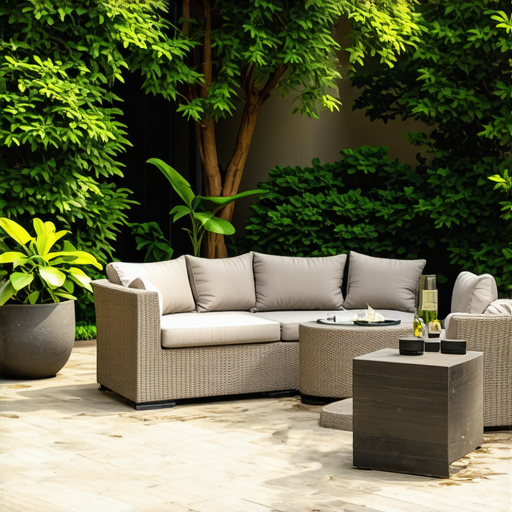
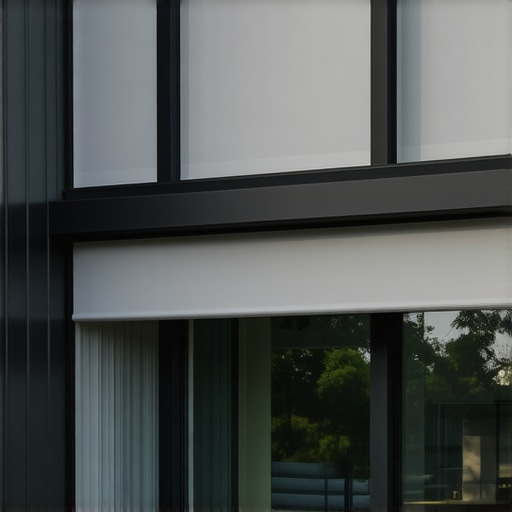
It was a scorching July afternoon when I realized my outdoor oasis was more of a sweaty sauna than a relaxing retreat. Despite the effort I put into selecting what I thought was the perfect patio setup, the relentless sun made lounging uncomfortable and even discouraged my family from spending time outside. That was my lightbulb moment: traditional patio setups just can’t keep up with the shifting demands of outdoor living. If you’ve ever battled blinding sun or the unpredictable heat, you’re not alone. Today, we’re going to explore how upgrading to Somfy exterior shades can transform your outdoor space—and why, in 2026, they might just be the best investment you make for your home.
Why Upgrading to Somfy Shades Is a Game-Changer
One common mistake many homeowners make early on is underestimating the power of quality shading solutions. I did the same, initially dismissing the idea of motorized shades as an unnecessary luxury. But after a few scorching summers and stiff breezes ruining my outdoor setup, I learned the hard way that not all shades are created equal. Now, I rely on Somfy’s innovative exterior shades, which outperform standard screens in every way. Want to avoid my mistake and create a comfortable, stylish outdoor retreat? Keep reading, and I’ll show you exactly why upgrading is worth your while—and how it can enhance your outdoor living experience in 2026.
Assess Your Outdoor Space and Choose the Right Shades
Start by evaluating your patio’s size, shape, and sun exposure. Use a tape measure to determine the width and height where shades will be installed. Consider the orientation: east-facing patios get morning sun, while west-facing ones face afternoon heat. When selecting motorized patio shades, opt for durable fabric that blocks UV rays and withstands weather. Think of it like choosing a good pair of sunglasses; quality filters all harmful rays while allowing enough light.
Prepare Your Tools and Materials
Gather a sturdy drill, level, measuring tape, step ladder, and anchors suitable for your wall type. Confirm that your purchase includes all mounting brackets and wiring components. If you’re unfamiliar with electrical work, consulting a professional ensures safety and proper installation—it’s the equivalent of hiring an electrician for complex wiring tasks rather than risking a short circuit. Having everything ready prevents delays and ensures a smoother process.
Mark Installation Points Precisely
Use the level to draw straight lines where brackets will be attached. Mark the points with a pencil, making sure the shades will operate smoothly without obstructions. My first attempt failed because I didn’t double-check alignments, resulting in uneven shades and the need for re-drilling. Being meticulous here is like plotting a GPS route; accurate points lead to seamless operation later.
Mount the Brackets Securely
Drill holes into your markings and insert anchors if necessary. Then, bolt the brackets tightly into place. Remember, these brackets hold the weight of your shades, so they must be securely anchored—think of it like building a tent with sturdy pegs. I once used the wrong anchors, which caused the brackets to wobble, making the shades unreliable. Take your time to ensure everything is solid before moving on.
Attach the Shades and Test the Mechanism
Slide the motorized shades into the brackets, following the manufacturer’s instructions carefully. Connect the power source, ensuring all wiring is safely tucked away. Turn on the system, and test the shades’ movement through the remote or control app. This step mirrors tuning a musical instrument; a small adjustment can make everything operate in harmony. I experienced a jamming shade during testing because I didn’t calibrate the motor correctly, so double-checking calibration improves longevity and performance.
Integrate Smart Controls and Set Preferences
If your shades support smart technology, sync them with your home automation system. Set schedules for automatic opening or closing based on time of day or weather conditions. For example, I set mine to retract during peak afternoon hours, much like programming your AC to run only when needed. This not only enhances comfort but also conserves energy. Visit this guide for tips on optimizing your setup for energy savings.
Routine Maintenance and Troubleshooting
Periodically clean the fabric with a mild soap solution to prevent dirt buildup. Check the mechanical parts for wear and tighten any loose screws. If you notice noise or operation issues, consult resources like noise fix guides. Regular upkeep ensures your motorized shades function smoothly and last years longer, much like maintaining a vehicle to avoid costly repairs down the line.
While many homeowners celebrate the convenience and aesthetics of motorized patio shades, there are nuanced pitfalls that even seasoned DIY enthusiasts often overlook. Everyone seems to focus on the benefits of Somfy exterior shades or sleek patio screens, but in my experience, the real complications lie beneath these surface-level advantages.
One common myth is that all motorized shades are equally durable and weather-resistant. This is a dangerous oversimplification. In fact, many premium options, including those from reputable brands like Somfy, can suffer from exposure issues if not properly selected and maintained. For example, choosing shades with fabric that lacks UV protection or doesn’t withstand humidity can lead to premature deterioration, negating years of investment. Protect yourself by thoroughly researching fabric specifications and opting for materials tested for your climate. An umbrella study published in the Journal of Textile Protection highlights that UV and weather-resistance are paramount for longevity—a detail many overlook.
Another frequently ignored nuance is the installation process itself. It’s tempting to assume that mounting motorized patio screens is straightforward, but improper calibration or insecure mounting can cause operational hiccups, noise issues, or even safety hazards. I’ve seen many cases where homeowners skip professional consultation and end up with shades that stop halfway or randomly malfunction. A quick visit to this guide on noise fixes emphasizes the importance of proper installation and calibration. Remember, your investment’s longevity depends on meticulous setup; otherwise, future troubleshooting becomes a costly hassle.
### Why Does My Motorized Shade Stop Midway, and Can I Fix It Myself?
This is a question I often get from advanced users. The culprit is usually a calibration error or motor strain caused by obstructions or misaligned tracks. Sometimes, the shades’ sensors don’t register the end positions correctly, leading to halts in operation. Regular calibration and vigilant maintenance can address this; however, persistent issues might require professional diagnostics. It’s worth noting that some problems stem from power supply inconsistencies or outdated control systems, which can be upgraded to improve performance. For detailed troubleshooting steps and expert advice, check out this article.
Avoiding these pitfalls requires a proactive approach—selecting high-quality fabrics, ensuring precise installation, and conducting regular maintenance. Don’t assume that your new shades will perform flawlessly without proper care and expert input. By understanding these hidden nuances, you can maximize the lifespan and functionality of your outdoor oasis. Have you ever fallen into this trap? Let me know in the comments.Maintaining motorized patio shades like those from Somfy requires the right combination of tools, techniques, and a proactive approach. Over time, even the most durable fabrics and motors can experience issues—dust, dirt, and weather elements wear on their performance. To ensure your patio oasis remains comfortable and functional, investing in specialized equipment is a game-changer. I personally rely on a high-powered blower and microfiber cloths to regularly clear dust and debris from the fabric surfaces, preventing buildup that can impair motor performance and fabric longevity. Additionally, using a silicone-based spray designed for outdoor fabrics helps maintain the shade’s flexibility and UV resistance, which I apply bi-annually. These simple tools and routines considerably extend the lifespan of my shades, ensuring they operate smoothly through rain, sun, and wind, much like a well-maintained vehicle.
When it comes to troubleshooting and fine-tuning motorized systems, I highly recommend the use of a digital multimeter. I use mine not only to check voltage and identify wiring issues but also to ensure the motor receives consistent power, preventing unexpected halts or noise, which are common problems discussed in the noise fix guides. Having a quality multimeter from Fluke or Klein Tools ensures precise readings, allowing me to diagnose issues at a glance rather than guesswork.
Speaking of calibration, Somfy’s proprietary software, Tahoma Bridge, is invaluable. I utilize it to remotely calibrate my shades, set schedules, and update firmware—operations that keep everything running seamlessly. These software tools are becoming indispensable as my setup grows more advanced, capable of integrating with smart home systems to automate based on weather predictions or time of day, reducing manual adjustments.
Looking ahead, the trend points toward even smarter, more integrated shading solutions. Voice-controlled systems and AI-driven weather sensors will soon handle calibration and maintenance tasks automatically, minimizing effort and maximizing efficiency. Staying ahead involves not just buying quality shades but also investing in the right maintenance gear and learning to use it effectively.
### How do I keep my patio shades operating smoothly over time?
Regular cleaning with a microfiber cloth and mild soap, along with scheduled fabric treatments, prevents dirt accumulation, while calibration via the Tahoma App ensures alignment and motor accuracy. Advanced troubleshooting with a multimeter helps spot issues early before they escalate, saving costs and downtime. Try integrating these maintenance routines and tools to enhance your outdoor setup and avoid costly repairs in the future. For more detailed troubleshooting tips, visit this guide on noise fixes—it’s an excellent resource to fine-tune your shades and keep them whisper-quiet for years to come.
What I Wish I Knew When I Bought My First Shades
One of the biggest surprises I had was realizing how critical proper calibration and choosing the right fabric are—two details I overlooked initially. I learned the hard way that even the best motorized shades can underperform if not installed correctly or if the fabric isn’t weather-resistant enough. This experience taught me to prioritize expert guidance and fabric specifications tailored for outdoor durability. Trust me, these lessons save you from costly fixes and frustration down the line.
Innovative Tools That Transformed My Shade Maintenance
Using a simple digital multimeter and the Tahoma Bridge software revolutionized how I managed my patio shades. The multimeter allowed me to troubleshoot wiring issues early, preventing operational hiccups, while the smart software enabled me to schedule, calibrate, and update my shades remotely. These tools turned maintenance from guesswork into a strategic process, prolonging the life of my investment. I recommend anyone serious about outdoor comfort to incorporate these into their routine.
Embracing the Future of Outdoor Comfort with Confidence
Upgrading to Somfy exterior shades opened my eyes to a new world of effortless outdoor living. It’s not just about blocking the sun; it’s about creating a seamless, adaptable space that responds to weather, time of day, and my lifestyle. The knowledge and tools I’ve accumulated empower me to keep refining my patio oasis, making it a sanctuary that grows more comfortable and stylish each year. Now is the perfect time to take action and elevate your outdoor experience.