I remember sitting out on my deck last July, cold drink in hand, ready to enjoy the sunset. Within ten minutes, I wasn’t relaxing; I was a human buffet. I had installed what I thought were decent screens, but the local mosquito population didn’t care. They found the tiny gaps at the bottom and the fluttering sides faster than I could swat them away. It was a frustrating, itchy failure that taught me a valuable lesson about how these pests actually operate. If you are tired of retreating indoors the second the sun goes down, you need to know why zipped tracks are the game-changer you’ve been looking for to create a true Patio Oasis. We are going to dive into why standard screens fail and why the sealed-tight security of a track system is the only thing that actually works.
Standard Screens Leave the Door Wide Open for Pests
It is a common mistake—I made it myself early on. I bought those hanging mesh curtains with the magnetic strips, thinking they would be enough. They weren’t. The problem is that mosquitoes are incredibly persistent. According to the American Mosquito Control Association, mosquitoes can fly through surprisingly small openings when they detect the carbon dioxide we exhale. If your screen flutters in a light breeze or has even a half-inch gap at the floor, you might as well not have a screen at all. This is exactly why insects still get past your motorized patio screens if they aren’t properly sealed. Standard weights at the bottom of a screen just can’t compete with a gust of wind. When that fabric lifts, the perimeter is compromised. You need a solution that treats your patio like a sealed room, not a loose tent.
Does a Zipped Track Actually Justify the Price Tag?
I know what you’re thinking because I thought it too: Is it really worth the extra investment for a track system? When I finally bit the bullet and looked into motorized patio screens with a zip-retention system, the difference was night and day. A zipped track locks the edges of the fabric into the side channels. This means there is zero gap for a mosquito to crawl through and no way for the wind to blow the screen open. It transforms your outdoor space into a fortress. If you’ve been struggling with bugs, have you noticed them coming in through the sides or the bottom of your current setup?
The Secret is in the Total Perimeter Seal
The real magic happens when you combine high-quality mesh with a motorized system that anchors everything in place. These aren’t just your run-of-the-mill motorized patio screens that keep bugs away; they are engineered barriers. My biggest early mistake was focusing only on the mesh type while ignoring how that mesh attached to the house. When you use Somfy exterior shades equipped with zip technology, the fabric stays taut and secure regardless of the weather. This seal is what prevents the ‘chimney effect’ where bugs are sucked into your living space. Now that we understand why the seal is the most important part of the equation, let’s look at the specific hardware that makes this level of protection possible.
The Mechanics of a Bug-Proof Zip System
To understand why this works, think of your patio screen like a heavy-duty winter jacket. A standard screen is like a button-up shirt; it covers you, but the wind and the gnats get through the gaps between buttons. A zipped track system works exactly like a high-end zipper. The edges of the mesh are welded with a ‘half-zipper’ bead that slides into a specialized channel within the side track. This creates a physical lock. When I first tried to set this up, I went with a cheaper brand, and the zipper bead was too thin. It popped out the first time a neighbor’s kid ran into it. You need motorized patio screens where the track and the bead are engineered to stay married even under high wind pressure.
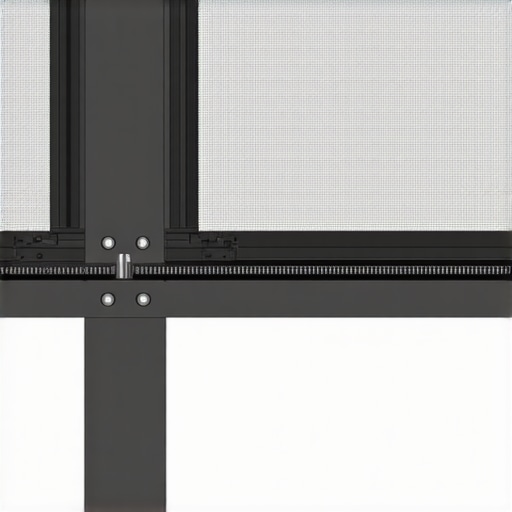
Eliminate Every Single Side Gap
The biggest technical hurdle is ensuring the tracks are perfectly plumb. If the tracks are even a fraction of an inch off-center, the fabric will bunch. I learned this the hard way when my screen started making a clicking sound every time it lowered. It turns out, motorized patio screens keep jamming in the tracks if the mounting surface isn’t perfectly flat. You have to use shims or spacers to ensure that the zip-track stays straight. Once aligned, that side seal is impenetrable. No fly is strong enough to wedge its way between the track and the zipped fabric. This is the foundation of turning a basic deck into a true Patio Oasis.
Stop the Ground Assault at the Bottom Bar
Mosquitoes don’t just fly; they crawl. If there’s a gap between your screen and the patio floor, they will walk right in. This is where the weighted bottom bar comes in. It’s not just a piece of metal; it’s the anchor for your 3 specific mesh types that actually block heat and pests. High-quality systems use a heavy extruded aluminum bar with a rubberized gasket on the bottom. This gasket compresses against the concrete or wood, creating a vacuum-like seal. I once had a client who complained about bugs despite having a zip system; we found out their patio floor had a slight dip. We had to adjust the limit settings on their Motorized Patio Shades so the bar sat just a half-inch lower to squash that gap.
Tension is the Difference Between a Screen and a Wall
A loose screen is a vulnerable screen. If the fabric has ‘smile lines’—those saggy wrinkles in the middle—the zip mechanism is under uneven stress. You want the mesh to be drum-tight. This is achieved through the motor’s torque and the weight of the bottom bar working in tandem. When the screen is fully deployed, it should feel like a solid wall if you push on it. This tension is one of the 7 mistakes homeowners make with custom patio shades; they accept a saggy install, which eventually leads to the zip bead fraying or the fabric tearing away from the track entirely. By ensuring proper tension, you protect the motor and keep the perimeter sealed tight.
Most homeowners think that more is better—specifically, that the thickest, heaviest mesh is the best defense against intruders. In my experience, this is the quickest way to burn out a high-end motor. It’s a common misconception that durability equals weight. In reality, why mesh density matters more than fabric color for your patio oasis is because the hole size (measured in microns or linear inches) determines the bug-stopping power, not the thickness of the thread. A super-heavy fabric puts unnecessary strain on the internal tube, causing it to bow over time. According to the Professional Awning Manufacturers Association (PAMA), excessive fabric weight is a leading cause of premature motor failure in residential systems. 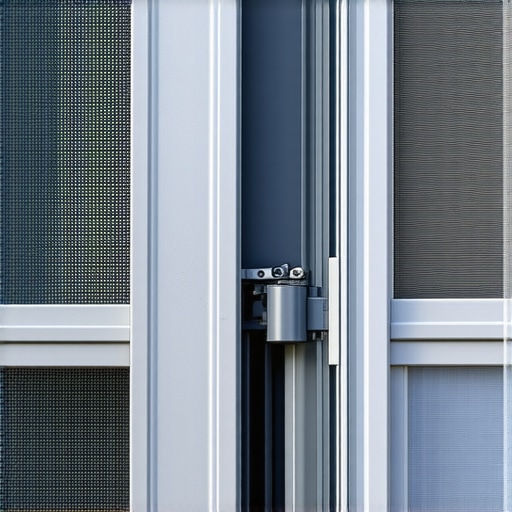 There is one specific ‘oops’ factor I see every single season: the WD-40 mistake. If your screen starts to squeak, your first instinct is to grab that blue and yellow can. Don’t do it. Why you should never use WD-40 on your motorized patio screens is simple—it’s a solvent, not a long-term lubricant. It attracts every bit of pollen and dust in the air, creating a gritty paste inside the track that grinds down the zip bead. I’ve seen systems ruined because a homeowner thought they were ‘fixing’ a minor noise. Instead, stick to a dry silicone spray that keeps the glide smooth without the sticky residue. Have you ever fallen into this trap or used the wrong cleaner? Let me know in the comments below; I’ve definitely learned some of these the hard way myself.
Can Your Tracks Handle the Midday Summer Heat?
Another nuance people miss is thermal expansion. When you invest in 5 reasons Somfy exterior shades are worth the upgrade in 2026, you’re paying for hardware that accounts for the fact that metal expands in the sun. If your tracks are bolted too tightly to the house without any room for movement, they can warp in July. This warping is how to stop your motorized patio screens from rattling in the wind or jumping out of the track. Professional installers leave a ‘float’ of a few millimeters to ensure the zip doesn’t bind when the aluminum gets hot. This level of detail is why DIY attempts often fail compared to a true Patio Oasis setup. Before you buy, check the 4 mistakes to avoid when buying motorized patio shades in 2026 to ensure you aren’t overlooking these structural details. Finally, remember that cleaning is part of the seal; a dirty track is a sticky track. Avoid the one mistake that voids your somfy exterior shade warranty by following the manufacturer’s specific cleaning protocols rather than using harsh chemicals.I keep a specific patio care kit in my garage, and it is surprisingly simple. It consists of a bottle of compressed air, a micro-fiber cloth, and a specific can of dry silicone spray. As I mentioned before, oil-based lubricants are the enemy. I personally use a dry PTFE or silicone spray because it leaves a slippery film that does not feel tacky to the touch. This is the $5 lubricant that stops motorized patio screens from squealing without attracting the dust that leads to jams. Every spring, I run the micro-fiber cloth down the inside of the tracks to clear out spider webs and pollen before applying a light mist of the silicone spray to ensure the zip-bead travels without friction.
How do I maintain these motorized shades over time?
The biggest piece of advice I can give is to actually use them. Most mechanical failures happen because a system sits dormant for an entire winter. According to Somfy’s North American Technical Service manual, regular operation of the motor helps maintain the distribution of internal lubricants and prevents the fabric from developing permanent memory wrinkles that can lead to tracking issues. I make it a point to cycle my shades at least once every two weeks, even in the off-season. This proactive approach is central to fixing your stuck somfy exterior shades 2026 pro maintenance routines. If you hear a slight grinding, do not ignore it; check the top roll for any debris that might have been sucked up into the housing. #IMAGE_PLACE_HOLDER_D#
The Future is Predictive and Hands-Free
Looking ahead, we are moving toward a world where your patio does not even need you to press a button. We are already seeing the shift where motorized patio shades are the future of outdoor living because of AI-driven weather integration. Within the next year, I expect sensors to move beyond simple wind-speed triggers. We will see systems that analyze local barometric pressure and humidity to auto-deploy before a storm even hits your zip code. If you haven’t already, you should stop using remotes and learn how to voice control your patio shades. It is not just about convenience; it is about integrating your bug defense into your wider smart home ecosystem so your movie night routine automatically seals the perimeter as the sun hits the horizon.
Keep the Fabric Tight and the Wind Out
Every six months, I recommend a tension check. If you notice the mesh starting to look a bit wavy, you can often solve it in minutes. You can stop your custom patio shades from sagging with this 5-minute tension fix by adjusting the limit screws or checking the balance of the bottom bar. Also, keep an eye on your tech; if you live in a high-wind area, ensuring your Somfy wind sensors save your patio shades from 2026 storms is about testing the deadman switch—the feature that pulls the shades up if the sensor loses power. My advanced tip for today: Go out to your patio tonight with a flashlight, lower the shades, and shine the light along the bottom gasket from the outside. If you see light bleeding through to the inside, your bug seal isn’t finished. Adjust those limits immediately to close that gap! Knowing how to clean your somfy exterior shades without damaging the fabric is the final piece of the puzzle to keep your investment looking brand new for a decade.
The Hard-Earned Lessons That Saved My Patio Oasis
Reflecting on my early mistakes, I realized that many people treat Motorized Patio Screens as a luxury accessory rather than a critical piece of infrastructure. If I could go back, I would tell myself that the mesh density is only as good as the seal. A 99% bug-proof screen is actually 0% effective if there is a gap at the floor. Another lightbulb moment was understanding the importance of the track itself. If you are debating are motorized patio shades worth the 2026 price tag, the answer lies in the longevity of the zipped system. It isn’t just about bugs; it’s about structural integrity during high winds. Finally, never underestimate the power of a proper bottom gasket. That tiny piece of rubber is what stands between you and a swarm of gnats during the humid summer months.
#IMAGE_PLACEHOLDER_E#
A Few Essentials to Keep Your Screens in Top Shape
I have spent years testing different products, and I have whittled my maintenance kit down to a few essentials. First, always keep a can of high-quality dry silicone spray on hand. It is the $5 lubricant that stops motorized patio screens from squealing without attracting the sticky debris that ruins the motor. I also highly recommend using a soft-bristle brush to clear the tracks once a month. To avoid the most common pitfalls, I always keep a copy of the 7 mistakes homeowners make with custom patio shades in 2026 bookmarked. It serves as a reminder that consistency in maintenance is better than a frantic repair. Lastly, investing in a good set of Somfy sensors will protect your screens when you aren’t home to retract them during a storm.
Start Building Your Perfect Bug-Free Sanctuary Today
Transforming your backyard doesn’t have to be a guessing game. By focusing on a zipped track system, you are making a choice to upgrade your patio with the latest motorized screens and shades that actually perform when it matters. Don’t let the fear of a complex installation stop you from enjoying a sunset without a single itch. You deserve a space where the air flows freely but the pests stay out. When you are ready to create a stylish patio retreat with motorized patio screens, just remember that the magic is in the seal. You are just one project away from your own personal Patio Oasis. Have you ever had a screen fail you right in the middle of a dinner party? Let me know your biggest outdoor frustration in the comments below!