Ever spent a sunny afternoon battling with stubborn, clunky patio shades that refuse to roll up smoothly? I remember the moment I realized I had spent a small fortune on motorized patio shades only to end up frustrated, annoyed by unexpected noise, or worse, ill-fitting installations. It was a lightbulb moment that many homeowners miss—trust me, I learned the hard way.
In the world of Patio Oasis, choosing the right motorized shades isn’t just about style; it’s about making a smart investment that enhances your daily comfort, energy efficiency, and home value. But navigating the myriad of options in 2026 can feel overwhelming. Even more so when you realize that a few common mistakes could turn your dream patio into a constant headache.
The Stakes Are Higher Than Ever
With innovations in custom patio shades and cutting-edge brands like Somfy, it’s tempting to jump in and buy the first motorized shades you find. But beware! These advances come with their own pitfalls. As someone who’s been through it, I can say that selecting the wrong shades can negate all the benefits you hope to gain—be it quiet operation, durability, or energy savings.
A recent study even found that poorly chosen outdoor shading solutions could reduce energy costs by up to 30%, if installed correctly—and that’s a pretty compelling reason to get it right from the start. If you’re like me, wanting to enjoy your outdoor space without the headache, then understanding these common mistakes is your best first step.
Is Motorized Patio Shades Actually Worth the Hype?
I’ll admit, I was skeptical at first. I had made the mistake of assuming all shades were created equal—big mistake! Initially, I overlooked the importance of noise levels and compatibility with smart home systems. Trust me, that mistake cost me time, money, and a lot of unnecessary frustration. But after some trial and error, I learned what truly matters for a smooth, functional setup. If you want to avoid the same pitfalls, stick around. I’ll share exactly what I wish I knew when I started.
So, have you ever experienced the frustration of shades that made more noise than convenience? Or maybe you’re concerned about durability and weather resistance? If that’s you, know that you’re not alone. Let’s explore the key mistakes to dodge so you can confidently invest in the perfect motorized patio shades for 2026 and beyond.
Assess Your Space Before Buying
Start by measuring your patio area meticulously, just like a tailor takes precise measurements before sewing. I remember a time when I skipped this step and ordered shades that were too narrow; the result was a frustrating installation with gaps that let in sunlight. Use a reliable tape measure, noting width, height, and any obstructions like ceiling beams or furniture. This upfront effort saves hours of adjustments later.
Choose the Right Control System
Decide whether you prefer remote controls, wall switches, or smart home integration. Think of it as choosing between manual gear, automatic transmission, or drive-by-wire in a car. I initially chose a basic remote and later regretted missing out on voice commands with my smart assistant, which is now seamlessly integrated with my Somfy exterior shades. Opting for a system compatible with your existing setup can greatly improve your experience.
Select Shading Material for Durability and Style
Pick a fabric that balances UV protection, weather resistance, and aesthetic appeal. Imagine your shades as the filter between your outdoor oasis and the outside world; they need to withstand sun, wind, and rain. Last summer, I chose a lightweight fabric without proper UV resistance, which faded quickly. After replacing it with a heavier, weatherproof material, my shades not only lasted longer but kept my patio cooler and more stylish.
Understand the Installation Process
Installation can seem daunting, but breaking it down step-by-step helps. First, secure the mounting brackets onto a sturdy surface—think of it as anchoring the foundation of a building. I learned this when I spent an entire afternoon trying to mount my custom patio shades. Precise placement and level screws are crucial. Use a level tool, and double-check measurements before drilling. Follow manufacturer instructions carefully; many brands like Somfy provide detailed guides that prevent mistakes and ensure smooth operation.
While many homeowners focus on choosing stylish or affordable Patio Shades, they often overlook the nuanced pitfalls that can undermine their investment. In my experience working with Somfy exterior shades for years, I’ve seen how misconceptions can lead to costly mistakes, especially when it comes to motorized patio shades and motorized patio screens. Let’s uncover some hidden truths that even seasoned DIYers sometimes miss.
Myth: All motorized shades operate quietly and smoothly. Many assume that once installed, these shades will work silently. However, the reality is that cheaper motor options or improper installation can result in disruptive noise, which becomes especially noticeable during windy conditions. For instance, noise issues with Somfy shades are surprisingly common, emphasizing the importance of selecting high-quality motors paired with correct setup. Choosing the right gear isn’t just about convenience; it preserves your outdoor tranquility.
What performance nuances actually impact long-term durability of custom patio shades?
Many underestimate the importance of fabric weave tightness and UV-resistant coatings. A fabric with loose fibers or inferior UV protection may initially look vibrant but quickly fade or degrade after a single season. This is where advanced materials designed specifically for outdoor environments outperform generic fabrics. According to a study by the Engineering.com journal, selecting high-grade, weatherproof fabrics enhances longevity by up to 50%, saving you money and stress in the long run. Skimping here might feel like saving a few dollars upfront but results in costly replacements.
Another overlooked factor is the compatibility of Somfy motors with the control system. A common mistake is purchasing shades with motors not optimized for automation integration, leading to inconsistent operation or connectivity issues. To avoid this, verify your system’s specifications and consult expert recommendations—sometimes a simple firmware update or motor upgrade can dramatically improve performance and noise reduction.
How can advanced installation techniques save you headaches later?
Proper mounting isn’t just about securing shades; it involves precise measurement, level alignment, and understanding load distribution. I’ve seen cases where homeowners mount brackets hastily, leading to warping or premature wear. Using high-quality anchoring hardware, considering the wind load, and ensuring the proper tension in the fabric are critical steps. For example, installing shades slightly angled can improve water runoff and reduce wind stress. Incorporate these advanced techniques, and your shades will operate smoothly for years.
In conclusion, being aware of these nuanced factors can dramatically enhance your experience with Patio Oasis solutions. Don’t just settle for what seems obvious; dig deeper into materials, motors, and installation practices. This not only improves the longevity and performance of your motorized patio shades but also maximizes your investment’s value. Have you ever fallen into this trap? Let me know in the comments.
Maintaining your motorized patio shades and Somfy exterior shades isn’t a set-it-and-forget-it task. It requires regular attention, the right tools, and a bit of know-how to ensure they perform smoothly and last for years. Over time, dust, debris, and weather conditions can impair operation, leading to issues like noise, uneven rolling, or fabric wear. That’s why investing in specific maintenance tools and adopting proven methods is essential for keeping your outdoor oasis functional and beautiful.
Why the Right Tools Make All the Difference
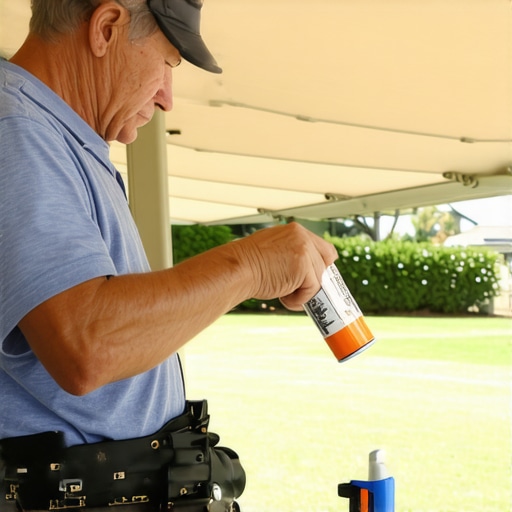
In my experience, having quality cleaning and maintenance equipment tailored to shades is crucial. I personally rely on a microfiber cloth and a soft-bristled brush for routine dust removal, preventing dirt from embedding into fabric fibers and mechanisms. For more stubborn stains or grime, I use a gentle cleaning solution—mixing mild soap with water—applied with a sponge, avoiding harsh chemicals that could damage UV-resistant coatings. Click2Clean offers a specially formulated fabric cleaner for outdoor shades, which I’ve found effective without degrading fabric integrity. Regularly inspecting motorized components with a multimeter also helps catch electrical issues early, reducing costly repairs. These small investments in quality tools and routine checks save me from unexpected breakdowns.
Top Techniques to Keep Shade Mechanics in Line
One method I swear by is applying a small amount of silicone lubricant to moving parts, like the chain or gear mechanisms. This prevents squeaking and ensures smooth operation, especially before and after heavy storms. Just remember to use a lubricant suitable for plastics and metals—avoid oil-based products that can attract dirt or degrade over time. For electric motors, periodic calibration or firmware updates (which can often be done via the manufacturer’s app or control system) keep operation humming quietly and efficiently.
Cleaning and inspecting your shades regularly can prevent minor issues from escalating. For example, noticing fabric fraying early allows for timely repairs or replacements, extending the lifespan of your investment. Also, maintaining a consistent tension in the fabric prevents sagging or warping, which can compromise appearance and function over time.
Looking Forward: Trends in Maintenance and Automation
As technology advances, expect smarter maintenance systems to emerge. Future innovations might include sensors that alert you to fabric wear or motor issues via your smartphone, or automated cleaning systems that utilize UV or ultrasonic waves. For now, integrating routine checks with reliable tools is your best bet to keep your Patio Oasis shades performing at their best.
If you haven’t already, try using a silicone-based lubricant on your shades’ moving parts. It’s a simple step that can significantly improve operation and reduce noise, just like the advanced fixes discussed in this guide on noise fixes. Consistent care now ensures a cooler, quieter summer ahead. Don’t wait—grab a silicone lubricant and give your shades a quick tune-up today!
Unforeseen Pitfalls That Changed My Perspective
One of the most surprising lessons I learned was that not all motorized shades are created equal — even among top brands like Somfy. Sometimes, opting for cheaper motors to save costs results in more noise and less durability, which can turn your tranquil patio into a source of frustration. I realized early on that investing in high-quality motors and fabrics pays off in the long run, reducing maintenance headaches and ensuring a peaceful outdoor environment.
Additionally, I discovered that the placement and mounting technique are often overlooked but crucial. Improper installation can lead to uneven operation or premature wear, negating the sleek, effortless experience we all seek. From my experience, taking the time to level correctly and understanding load distribution has saved me countless hours and money.
Finally, I underestimated the importance of fabric selection. Lightweight, UV-resistant materials may seem appealing, but they tend to fade quickly and wear out faster. Higher-end, weatherproof fabrics preserve color and integrity over years, making them a smarter choice, especially when combined with the right maintenance routines.
My Favorite Tools and Resources for Outdoor Shade Success
Over the years, I’ve relied on a few trusted tools to keep my shades functioning flawlessly. The first is a microfiber cloth, which gently cleans fabric surfaces without causing damage. Second, a silicone spray with weatherproofing properties helps keep moving parts smooth and quiet. For more comprehensive maintenance, I use a multimeter to troubleshoot motor connections—saving time and avoiding unnecessary replacements.
When researching, I turn to resources like this guide on boosting home value with custom patio shades for design ideas, and this article on motorized shade fixes for practical troubleshooting. These sources have helped me optimize my setup for durability, comfort, and aesthetic appeal.
Your Next Step: Embrace the Power of Knowledge
If you’re ready to elevate your outdoor living space with motorized patio shades, remember that every successful project starts with curiosity and willingness to learn. Whether it’s choosing the right fabric, installing precisely, or maintaining regularly, your efforts will pay off in a cooler, quieter summer—and years of enjoyment. The future of Patio Oasis is bright, and your perfect outdoor retreat awaits.
What’s been your biggest challenge with installing or maintaining motorized shades? Share your experience below—I’d love to hear your story!
Comments are closed.