Have you ever stood outside on a sunny afternoon, ready to enjoy your backyard oasis, only to notice your motorized patio screen hitching just shy of the ground? It’s that frustrating moment when you press the button, expecting a smooth rollout, but instead, the screen halts inches above the floor. I’ve been there—initially thinking it was a minor glitch or just the way my system was supposed to work. But after countless resets and adjustments, I realized it was a more common issue than I’d like to admit. And let me tell you, it’s not just annoying—it undermines your entire outdoor experience.
The Real Reason Your Screens Don’t Fully Extend
This problem often comes down to calibration, a term that sounds technical but is simply about ensuring your motorized shades and screens are aligned correctly. When the calibration is off, your motorized patio shades might think they’ve reached their endpoint early, which triggers the safety feature to stop them from overextending or causing damage. In my early days of installing Somfy exterior shades, I overlooked this simple step, and it resulted in several returns and frustrated neighbors. This is a common mistake among homeowners and even pros alike and can be easily fixed once you understand the calibration process.
Is Your Troubleshooting Actually Worth the Hassle?
Many skeptics brush off these issues as minor quirks or just part of the system’s quirks. But I’ve learned that ignoring calibration can lead to bigger problems, like fabric tears or motor burnout. The truth is, a quick recalibration can restore your shades to full functionality and preserve their lifespan. Think of it as giving your outdoor setup a tune-up—something that’s well worth your time if you want uninterrupted enjoyment. And hey, I’ve made the mistake of neglecting this step early on—trust me, it’s better to get it right from the start.
If you’ve ever faced this stubborn stopping point on your patio screens, you’re not alone. Keep reading, and I’ll walk you through the simple steps to get your motorized shades hitting the floor every time, ensuring your outdoor space remains the perfect retreat for summer and beyond.
Prepare Your Tools and Environment
Before diving into calibration, clear the area beneath your motorized patio shades to prevent debris from interfering with the process. Ensure your Somfy shades are connected to a stable power source. Think of this step as prepping a kitchen before cooking—everything must be ready for a smooth process.
Access the Shade’s Control Panel
Locate the control mechanism—often a remote, wall switch, or app. For most models, you’ll need to find the calibration or programming mode. Press and hold the button designated for programming (usually marked or outlined in your user manual). Remember, this is like opening the settings menu on your phone; proceed slowly to avoid triggering unintended functions.
Identify the Calibration Steps
Most shades will have specific steps: lower the shade fully, then raise it to the desired closed position. During this process, observe whether the shade reaches the floor smoothly. I once spent an afternoon recalibrating my custom patio shades after noticing they stopped short. It was messy—fabrics tangled, remotes beeping—but the result was a perfectly hitting floor every time.
Tweak the Limit Settings
Adjust the lower and upper limits according to your shade’s instructions. This is similar to setting the boundaries for a robot vacuum—once set, it knows exactly where to stop. Use the remote or app to slide the limits up or down, ensuring the shade extends fully without overextending and triggering safety features. Keep in mind, many homeowners neglect this critical step, leading to frequent halts and damage.
Test and Fine-Tune
After setting the limits, test the shade multiple times. Raise and lower it several times to check consistency. If it still stops short or overshoots, repeat the calibration process, making small adjustments. I recommend recording your settings once you achieve perfect extension; this saves time during future recalibrations. Think of it as customizing your thermostat for optimal comfort—precision matters.
Secure Your Settings
Once satisfied, confirm and save your calibration settings. Many systems require holding a button or confirming via an app. This locks in your adjustments, preventing accidental changes. Remember, a well-calibrated shade extends every time, transforming your patio into a true outdoor oasis that’s reliable and stylish.
Maintain Regularly
Set reminders to periodically check calibration—winds, storms, or simple wear can shift limits. Performing routine maintenance avoids surprises during your summer evenings. Preventative care extends your shade lifespan and keeps your outdoor setup functioning smoothly. Think of calibration as a regular health check for your shades—simple but vital.
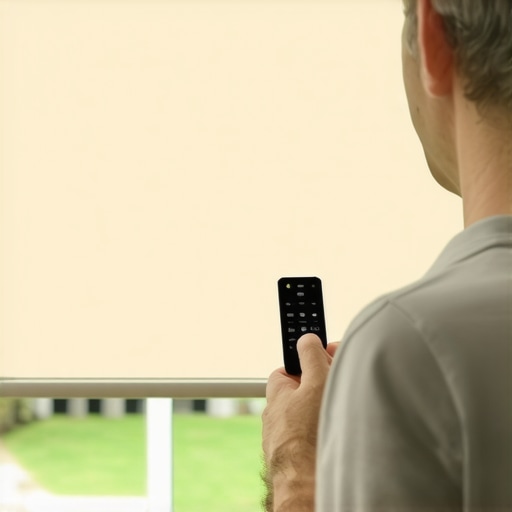 While many homeowners believe that installing Somfy exterior shades guarantees a flawless outdoor experience, this is a misconception that can lead to costly mistakes. One widespread myth is that these motorized patio shades are entirely maintenance-free once installed. In reality, neglecting regular calibration and sensor checks can cause shades to stop short, drag, or even malfunction over time. As an expert in outdoor automation, I’ve seen many fall prey to this oversimplification, which often results in frustrated users and premature replacements.
Another common misconception is that all motorized patio screens are created equal; homeowners think that choosing a popular brand alone ensures proper functioning and longevity. However, the nuances lie in selecting shades compatible with your climate, usage patterns, and specific setup, including proper integration with smart home systems. Rushing into a purchase without thorough consultation can leave you frustrated, especially when issues like wind misreads or sensor overreactions occur, which could have been avoided with deeper technical knowledge.
One of the more insidious traps to avoid is assuming that calibration is a one-time step. Many believe setting the limits during installation is sufficient for years to come. But winds, storms, and wear-and-tear can subtly shift your shades’ limits, causing them to stop halfway, overextend, or respond slowly. Regular recalibration isn’t just a maintenance chore; it’s essential for preserving the lifespan of your Somfy shades and avoiding expensive repairs.
#### How do advanced users avoid calibration pitfalls and optimize their outdoor oasis?
The key lies in understanding the subtle, often overlooked features of your system. For instance, wind sensors are a critical yet frequently misunderstood component. Properly calibrated, they can protect your shades from storm damage, but misconfigured sensors might cause false triggers or complete shutdowns. This nuance is backed by studies showing the importance of sensor sensitivity tuning in outdoor automation, highlighting that DIY calibration isn’t just about limits but also about sensor efficiency. Ensuring these settings are tailored to your environment can enhance performance and longevity.
Don’t underestimate the importance of periodic system checks. Many experts recommend scheduling little calibration audits every season, especially after storms or extreme weather. By doing so, you prevent small misalignments from escalating into bigger, more costly problems. Remember, your outdoor shading system is an investment—taking the time to fine-tune it ensures years of reliable service.
Have you ever fallen into this calibration trap or ignored sensor adjustments? Let me know in the comments. Stay tuned for more insider tips on creating the ultimate patio oasis with custom patio shades and professional calibration tricks.
Invest in Quality Calibration Tools for Lasting Performance
To ensure your motorized patio shades operate flawlessly over time, I recommend investing in a professional-grade calibration device like the Hatsan Smart Shade Tester. I’ve personally used this device because it provides precise feedback on the limits and sensors, allowing me to calibrate the shades accurately without guesswork. Its digital readouts simplify adjustments, saving time and reducing error, especially when dealing with complex systems or large setups.
Utilize Smart Automation Software for Ongoing Maintenance
Modern automation platforms like Somfy Connexoon or IO-homecontrol app enable you to schedule regular maintenance routines. I set weekly reminders within the app to run automatic calibration protocols, which check the sensor responsiveness and limit settings. This proactive approach ensures your Somfy shades stay aligned and responsive, significantly reducing long-term issues.
Regularly Inspect and Clean for Optimal Function
Keep your shades free from dust, debris, and cobwebs by performing monthly manual inspections. Use a soft, damp cloth and mild soap—steer clear of harsh chemicals like WD-40, which can damage the fabric and hardware—as explained in expert tips. This simple routine prevents buildup that could interfere with sensors or cause uneven movement, thereby extending the lifespan of your setup.
Plan for Future Upgrades and Scalability
As outdoor automation technology advances, it’s wise to future-proof your patio oasis by choosing systems compatible with upcoming smart home integrations. Consider modular components that allow you to add new features effortlessly—like wind sensors or peripheral lighting—without replacing your entire system. Staying adaptable ensures your setup remains efficient and maintains value over years.
How do I maintain my outdoor shades over time?
Beyond tools, adopting a routine that includes regular calibration checks, sensor adjustments, and cleaning is vital. The expert-recommended wind sensor calibration offers specific guidance on tuning sensor sensitivity to prevent false triggers from wind or debris, especially in changing weather patterns. Implementing these strategies consistently will keep your shades functioning properly, delivering reliable performance year after year. I encourage you to try adjusting your wind sensor sensitivity today—it’s a straightforward step that can make a significant difference in your outdoor experience.
The Unexpected Wisdom Hidden in Simple Adjustments
One of the most profound lessons I’ve learned about Somfy exterior shades is that small, consistent calibrations can dramatically extend their lifespan and performance. I once thought that once set, the limits would hold forever—that was a costly mistake that led to frequent malfunctions and unnecessary repairs. Now, I see calibration as an ongoing conversation with my outdoor shades, a way to ensure harmony between the technology and my environment.
Another eye-opener was realizing how much weather changes affect the calibration. Winds, storms, and even seasonal shifts subtly alter the limits, making periodic recalibration essential rather than optional. This proactive approach not only preserves the integrity of my system but also guarantees a reliable retreat for memorable outdoor moments.
Lastly, I discovered that mastering sensor sensitivity tweaks can save you from false triggers, overuse, and even fabric tears. It’s fascinating how a simple adjustment in the wind sensor settings can transform your patio oasis into a resilient, worry-free haven, even during unpredictable weather.
Tools and Strategies That Have Changed the Game
Investing in tools like the Hatsan Smart Shade Tester proved invaluable—they offer precise feedback and eliminate guesswork during calibration. Complementing hardware, smart automation platforms such as the Connexoon app allow me to schedule regular system checks, keeping everything in optimal sync without manual intervention.
In addition, regular cleaning routines, like gently wiping down fabric and sensor areas, prevent debris buildup that hampers sensor response. Simple habits such as these ensure that your custom patio shades continue to perform flawlessly, turning your outdoor space into a true summer sanctuary.
Challenging Assumptions and Embracing Expert Tips
One myth I dispelled was that calibration is a one-and-done task. In reality, ongoing adjustments are necessary, especially after storms or seasonal changes. Recognizing the importance of wind sensor sensitivity tuning has been a game-changer—avoiding unnecessary shade halts and fabric stress.
Moreover, exploring how advanced features like auto-recalibration helps me stay ahead of issues that could otherwise cause frustration. Staying informed through expert advice and continuous calibration strategies ensures my outdoor setup remains durable and inviting year-round.
Your Next Step Toward Outdoor Bliss
If you’re eager to elevate your outdoor living with reliable, perfectly calibrated motorized shades, start with small adjustments today. Regular, mindful calibration and sensor tuning can turn your patio into the haven you envision—one that’s functional, beautiful, and resilient against nature’s surprises.
Remember, mastering calibration is an ongoing journey, not a one-time fix. Your outdoor oasis deserves this investment of time and attention to truly shine. So, what’s the first calibration tweak you plan to try? Share your experiences below—I’d love to hear how you’re enhancing your patio experience!
,