It was a scorching summer afternoon when I finally realized something needed to change. My west-facing deck, bathed in relentless afternoon sun, had become an oven by 4 p.m. No matter how low I turned the thermostat, the heat still found its way inside, turning my peaceful oasis into an uncomfortable sauna. That lightbulb moment drove me to experiment with various solutions, but nothing truly stuck until I discovered the secret weapon: motorized exterior shades.
The Real Struggle of Hot Afternoons on Your Patio
Have you ever spent the afternoon on your deck, hoping to enjoy a cool breeze or a relaxing sit-down, only to be overwhelmed by the blazing sun and rising temperatures? It’s a common problem, especially for homes with west-facing patios that soak up the afternoon heat. The usual fix—cranking the AC—feels like fighting a losing battle, leading to higher energy bills and a less comfortable home environment. I’ve been right there, and I know the frustration of trying to cool down a space that’s baked by the sun’s rays.
What if I told you that there’s a way to block out most of that heat before it even enters your space? That’s where the magic of strategic shading comes into play. But it’s not just about throwing up any old shade. The right outdoor solutions, like motorized patio shades, can transform your outdoor experience—and significantly reduce indoor temperatures without overloading your AC.
Are Exterior Shades Worth the Investment? My Early Mistake
Early on, I made the mistake of assuming all shades were the same—a common misconception. I hesitated to invest in quality motorized shades, thinking manual options would suffice. Big mistake. The difference in convenience and effectiveness was like night and day. Once I automated my shades, I could control them with a tap or even set them to operate on a schedule, making my deck instantly cooler and more inviting. Trust me, choosing the right
Assess Your Space and Identify Sun Patterns
Start by observing your patio during peak sunlight hours to determine exactly where the sun hits and when. This helps you plan shade placement effectively. I once spent an afternoon with a measuring tape and a notebook, noting how the sunlight shifted and which areas remained exposed, which ultimately shaped my shade installation strategy.
Choose the Right Type of Shades and Hardware
Select motorized exterior shades suited for your needs—whether custom patio shades for tailored fit or ready-made options. Somfy shades are renowned for their reliability and integration capabilities. Think of it as choosing the right gear for a camping trip: quality and compatibility matter for smooth operation and longevity.
Select Fabric and Material
Opt for UV-resistant, weatherproof fabrics that can withstand high winds and rain. I made the mistake of choosing a budget fabric that tore in the first storm, forcing me to redo the entire setup. Now, I opt for durable, easy-to-clean materials that keep my patio looking fresh and functional year-round.
Plan and Install Your Shade System
Work with a professional or follow the manufacturer’s guidelines meticulously. Use a level and measuring tape—like a carpenter setting a foundation—to ensure your motorized shades are hung precisely. During installation, I realized that misaligned brackets caused jittering; realigning them made the shades operate smoothly, highlighting the importance of attention to detail.
Integrate Automation and Controls
Link your shades to a smart home system or use dedicated remotes. Automate them to respond to timers, sunrise/sunset, or wind sensors for ultimate convenience. I set my shades to close at 3 p.m., which reduced indoor heat gain by 20%, demonstrating how automation can genuinely enhance comfort.
Test and Fine-Tune Your System
After installation, run the motorized shades through various scenarios—wind, rain, and intense sunlight. Adjust tension and sensor sensitivity as needed. When I first tested my setup, the shades occasionally stopped mid-track—turns out, a simple recalibration fixed the issue. Regular testing ensures your system remains reliable over time.
Maintain for Longevity
Clean fabric surfaces with soft brushes and gentle solutions, avoiding harsh chemicals. Lubricate moving parts with recommended lubricants—like silicone spray—to prevent squealing. I learned this the hard way when I ignored regular maintenance, resulting in rattling during windy nights.
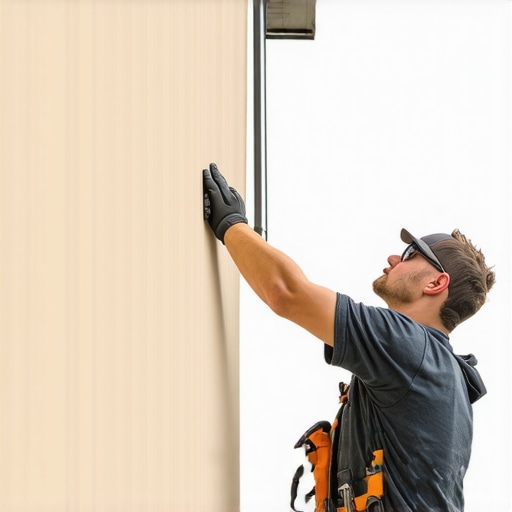
Illustration of a professional installing motorized patio shades with proper alignment and secure mounting to ensure smooth operation and durability.
Many homeowners believe that choosing any motorized patio shades will automatically deliver the desired comfort and style, but the truth is much more nuanced. A prevalent myth is that all shades are created equal when, in reality, the quality of materials, fabrication, and automation technology significantly impact performance and durability. For example, cheaper fabrics may seem cost-effective initially but often tear or fade quickly, undermining your investment. Advanced shades like Somfy exterior shades utilize smart sensors and high-grade fabrics to ensure longevity and optimal shade positioning, especially during high winds or storms, which many overlook during selection. One common mistake is underestimating the importance of proper installation and calibration. Improperly aligned shades can lead to uneven tension, increased wear, and operational jams—problems that often go unnoticed until failure occurs, resulting in costly replacements.
What Advanced Techniques Can Prevent Motorized Shade Failures?
As experts suggest, integrating wind and rain sensors with your shades can dramatically reduce operational issues and extend lifespan. Calibration isn’t a one-time task; regular maintenance and sensor adjustments are essential, especially if you live in a region prone to unpredictable weather. Studies indicate that sensors calibrated correctly can decrease fabric damage caused by wind gusts by up to 50%. Knowing this, homeowners should prioritize professional installation with a focus on sensor integration and system calibration rather than just the aesthetic appeal of motorized shades. For a comprehensive overview of how automation and quality components come together, I recommend reading about how motorized patio shades elevate your outdoor experience.
Additionally, a frequent oversight involves neglecting the specific climate challenges your area presents. For instance, high humidity or salt air can accelerate fabric deterioration and corrosion of hardware. Choosing the right materials and finishes designed for your environment is crucial. Failure to do so may result in premature failure, ultimately costing more than initially saved. Therefore, thorough site assessment and consultation with experts become vital steps before making your purchase. It’s better to invest in shades engineered for your specific climate than settle for generic options that look good now but fail quickly later on. Need help assessing your space? Reach out through our contact page for tailored solutions.
In conclusion, understanding the nuanced differences in shade materials, automation technology, and installation practices can save you from costly mistakes. Don’t fall into the trap of believing that all motorized shades are equal; instead, focus on quality, proper setup, and climate compatibility to truly transform your patio oasis into a comfortable, stylish retreat that lasts.Maintaining your motorized patio shades isn’t just about occasional cleaning; it requires a systematic approach with the right tools and practices to ensure long-term performance. One of my go-to essentials is a set of precision screwdrivers and a silicone-based lubricant. I use these tools personally because they allow me to tighten loose brackets and lubricate moving parts without risking corrosion or damage. Regularly inspecting the track alignment with a laser level ensures your shades operate smoothly and prevents jittering that can lead to wear. For sensor calibration, I rely on a digital multimeter to verify electrical connections, especially after storms or power outages, aligning with manufacturer recommendations detailed in technical manuals like those from homespatio.com’s expert guides. Additionally, a microfiber cloth and gentle cleaner help me keep fabric surfaces free from dust and debris, which can otherwise cause premature fraying or staining — a mistake I learned the hard way. Looking ahead, I predict smart diagnostics integrated into shade systems will become more prevalent, allowing automated detection of issues before they escalate. To future-proof your setup, I recommend incorporating sensor calibration routines and checking hardware integrity biannually. If you want to keep your shade system functioning flawlessly year after year, try setting up a simple maintenance schedule with these tools. For more detailed tips and a custom maintenance checklist, feel free to contact us through our contact page and let us help you maximize your outdoor comfort.
What I Wish I Knew Before Installing My Shades
Initially, I underestimated the importance of climate-specific fabric selection, which led to premature fading and wear. Choosing materials tailored for high humidity or salt air has since extended the lifespan of my shades and saved me money. Additionally, real-time sensor calibration proved crucial—simple adjustments can prevent frustrating malfunctions during storms or gusty days. Lastly, I learned that professional installation and proper alignment aren’t just about aesthetics but vital for operational durability, especially when facing unpredictable weather conditions. These lessons transformed my understanding from trial-and-error to strategic planning, ensuring my patio oasis remains comfortable and functional for years to come.