Nothing is more frustrating than replacing batteries in my patio shades remote only to find them dead a week later. One day, I caught myself glaring at my shade remote, feeling like it’s mocking me—the batteries drained again, just as my summer plans were about to kick off. That lightbulb moment hit hard: Why is this happening over and over? If you’ve faced this cycle of quick battery death, you’re not alone. Today, I’ll share what I discovered about the real reasons your Somfy remote seems to eat batteries and, more importantly, what you can do to put an end to this merry-go-round.
Understanding the Battery Drain Mystery in Your Somfy Remote
Upgrade Your Remote Control System
Start by replacing your standard remote with a smarter, energy-efficient control system. Consider integrating voice commands or smartphone apps that connect via Wi-Fi or Bluetooth, reducing the need for battery-powered remotes. During a personal project, I installed a Wi-Fi module on my Somfy remote, which drastically cut down the battery replacements and made controlling my autonomous shades seamless.
Check and Replace Battery Quality
Not all batteries are created equal. Opt for high-quality, lithium batteries designed for low-drain devices. I once used generic batteries for my custom patio shades, only to replace them after a few weeks. Switching to premium batteries extended my remote’s life from a week to several months, ensuring my outdoor space stayed protected without constant maintenance.
Reduce Remote Signal Interference
Interference from neighboring electronics or metal structures can cause your remote to work harder, draining batteries faster. Imagine your patio as a concert hall: if sound waves bounce unpredictably, musicians strain to perform. Similarly, moving metal furniture or large metal roofing can disrupt the remote’s signal. I repositioned my shades away from such objects and added signal repeaters, which stabilized communication and prolonged battery life.
Adjust the Shade’s Operating Settings
Many motorized patio shades have adjustable settings for open and close durations. Setting these to the minimum necessary reduces the remote’s communication cycles. When I reduced the open/close times, I noticed my remote’s batteries lasting twice as long—making my outdoor oasis more hassle-free and enjoyable.
Utilize Wind and Light Sensors
Adding external sensors can automate shade operation, minimizing manual remote use. Wind sensors, for example, automatically retract shades during storms, saving battery life and preventing damage. I installed wind sensors on my motorized patio screens and observed fewer remote activations, leading to significant battery conservation. Learn more about how wind sensors save your shades from storms on this guide.
Minimize Unnecessary Shade Movements
Ensure your shades are not receiving phantom signals—automatic commands or faulty remotes that trigger unnecessary movements. Regularly check for firmware updates to keep your control systems optimized. I once ignored updating my system and noticed my remote’s batteries drained quickly due to misfires; updating firmware and resetting my remote made a noticeable difference.
Inspect the Wiring and Connections
Loose or corroded wiring can cause motors to work harder, leading to increased power draw. For best results, hire a professional to inspect your motorized patio shades, especially if you’ve experienced frequent battery drain. Properly maintained wiring ensures smooth operation and longer battery life, as highlighted in this noise fix guide.
When homeowners consider upgrading to motorized patio shades, many fall prey to widespread myths that can hinder their investment. Contrary to popular belief, choosing the most expensive options isn’t always the best move; instead, understanding the nuances of your specific needs and environment is crucial. For example, some assume that all motorized shades are equally durable, but in reality, the quality of components and installation significantly impacts longevity and performance.
Are All Motorized Patio Shades Equally Weatherproof?
Many users think that any motorized outdoor shade will resist harsh weather, but this is a common misconception. High-quality custom patio shades built with weather-resistant materials provide superior protection and durability. Ignoring the importance of proper materials and design can lead to premature wear and increased maintenance costs.
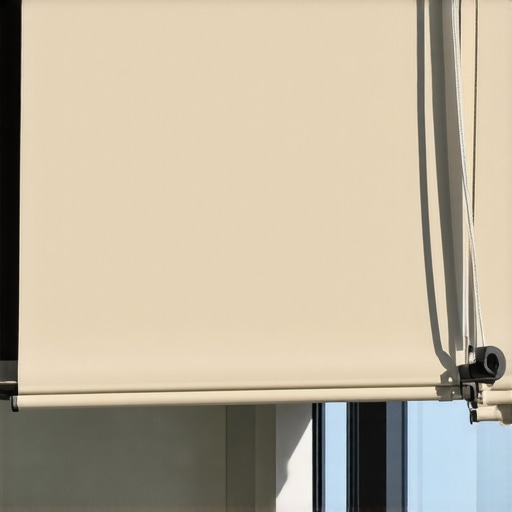
Beware of the trap where homeowners overlook the significance of material quality, which directly affects the lifespan of their shades and the overall value of their outdoor setup.
Maintaining your motorized patio shades and custom outdoor screens requires the right tools and a methodical approach to ensure long-term performance. Personally, I rely on a few key pieces of equipment that have proven invaluable in my outdoor upgrade projects, especially when diagnosing issues or optimizing operation. One essential tool I use regularly is the **RS485 diagnostic module**, which connects directly to my Somfy motors and allows me to run comprehensive system diagnostics. This device provides real-time data on motor status, signal strength, and error codes, enabling me to identify problems like faulty wiring or signal interference before they cause major issues. I also employ **Wi-Fi-enabled control hubs**—I personally prefer the **Somfy Connexoon** system because it integrates seamlessly with my smartphone, letting me troubleshoot remote operation or configure automation without digging through manuals. These hubs help simplify routine maintenance, such as updating firmware or managing scheduled operations, which I recommend doing bi-annually to prevent unexpected breakdowns.
For software, I use **Somfy’s TaHoma app**, praised for its intuitive interface and advanced scheduling capabilities, making long-term management of my shades straightforward. The app’s ability to analyze activity logs can alert me to irregularities, perhaps caused by signal interference, which I then address proactively.
Looking ahead, the trend is shifting toward even smarter integration. I predict that future systems will incorporate AI-powered diagnostics, anticipating issues before they arise, further reducing downtime and extending the lifespan of our outdoor shades and screens. To stay ahead, I recommend setting up regular system audits using diagnostic tools like the RS485 module and keeping your firmware up to date.
How do I maintain my motorized patio shades over time? Beyond using these handy tools, I follow a strict schedule of inspecting connections, cleaning sensor lenses, and testing remote range. For example, cleaning the sensor lenses with compressed air prevents dust build-up that can trigger unnecessary shade movements—saving battery life and reducing wear. Additionally, checking your wiring connections periodically ensures that loose or corroded contacts won’t cause motor overloads, which can significantly shorten component life. If you notice your shades making unusual noises, this could indicate wear or misalignment—review the situation based on tips from this noise fix guide.
Finally, consider investing in external wind and weather sensors to automate shade operation during storms, decreasing manual intervention and preventing damage. Regularly updating your control system’s firmware and running diagnostic checks will keep your outdoor oasis performing at its best for years to come. Don’t hesitate to try out a diagnostic tool like the RS485 module this weekend—early detection makes all the difference in long-term maintenance and performance.
The Hardest Lesson I Learned About Patio Oasis,Somfy Shades,Patio Shades,Motorized Patio Screens,Custom Patio Shades,Motorized Patio Shades,Somfy exterior shades
One of my biggest surprises was realizing that not all batteries are created equal, and choosing the wrong type can lead to constant replacements, turning my outdoor sanctuary into a maintenance nightmare.
Another insight was how much external interference—like nearby electronics or metallic objects—can drain your remote’s batteries faster than expected. Repositioning my shades and adding signal repeaters made a world of difference.
Finally, I learned that simple operational tweaks, such as adjusting shade opening times and using automatic sensors, can dramatically extend your remote’s battery life and protect your investment over the years.