I remember the blazing July afternoon when I finally realized my outdoor oasis was more of a sauna than a sanctuary. The sun’s relentless heat, combined with my existing shades, left my patio sweltering, turning evenings into uncomfortable endurance tests. That’s when I had my lightbulb moment: if I could figure out the perfect settings for my Somfy exterior shades, I could reclaim my outdoor space from the scorching heat.
Why Getting Your Shade Settings Right Matters This Summer
Adjusting your exterior shades isn’t just about blocking out a bit of sun; it’s about transforming your entire outdoor experience during those intense 2026 heatwaves. Properly configured, your shades can cool your patio, cut down on energy bills, and even protect your furniture from fading. The challenge? Knowing which settings work best — which can feel overwhelming with so many options and variables.
If you’re like me, you probably tried to tinker with your motorized shades, only to end up frustrated when they either didn’t respond correctly or worse, made your outdoor space less comfortable. I learned the hard way that a few simple adjustments can make all the difference, and now I want to share my tested strategies.
Did you know that according to recent studies, well-adjusted exterior shades can reduce the temperature of outdoor spaces by up to 15°F? That’s a game-changer in a changing climate, especially when heatwaves are predicted to intensify.
Having faced this struggle myself, I understand the importance of getting those settings just right. Over the next sections, I’ll guide you through five pro tips that can help you optimize your Somfy shades for 2026’s harsh summer days. These insights are drawn from personal trial and error, plus advice from industry experts, to ensure your outdoor space remains a cool, comfortable retreat.
Ready to make your patio smarter and cooler this summer? Let’s dive into the specific configurations that worked miracles for me — and can do the same for you.
Set Your Shade Angles for Maximum Cool
Think of your exterior shades as a pair of adjustable sunglasses—angle them correctly to deflect the sun’s rays. During my first attempt, I set my shades flat, expecting optimal coverage. Instead, I noticed the patio heat increased, and my furniture still soaked up the sun. Then, I learned to tilt the shades slightly upward during peak afternoon hours, mimicking how a shade of your favorite sunglasses blocks sunlight. This simple adjustment reduced our outdoor temperature by several degrees, making evenings much more comfortable.
Program Your Shades Based on Sun Path
Use a sun position chart or a smartphone app to track the sun’s trajectory across your patio. I spent a Saturday afternoon adjusting my motorized patio shades to respond automatically as the sun moved. I programmed the shades to deploy fully when the sun was directly overhead, then retract at sunset. This dynamic setup prevents overheating while allowing natural light when the sun is less intense. It’s like programming your shades with a schedule that knows when to step up and step down, enhancing comfort without manual override.
Use Sensor Technology for Real-Time Adjustment
Installing light sensors can automate your shades based on actual sunlight intensity. I connected sensors to my custom patio shades, which then adjusted automatically during the day. For example, on a cloudy morning, the shades stayed open longer, but during a bright, hot afternoon, they closed to block most of the glare and heat. This nearly hands-free method kept my patio consistently cooler and protected, making my outdoor experience much more enjoyable.
Prioritize Shade Material and Opacity
Not all shades block heat equally. I opted for Somfy exterior shades with a high-density fabric, which significantly reflected infrared rays. My previous translucent shades leaked heat, making me think I needed to upgrade. Choosing a fabric with a higher opacity and reflective properties is like wearing a wide-brimmed hat; it keeps the heat out rather than just providing a view blockage. Experiment with fabrics rated for UV and heat reflection, and your outdoor space will stay cooler longer.
Regularly Adjust and Maintain Your System
Even the best settings can drift over time. I set quarterly reminders to review and fine-tune my shade angles, reprogram schedules, and clean the motors. During one spring cleaning session, I noticed my Somfy shades were making unusual noises, indicating a need for lubrication. Regular maintenance keeps the motorized shades operating smoothly and ensures your cooling strategies stay effective throughout the season.
Many homeowners assume that installing motorized patio shades automatically guarantees a cooler outdoor space and low-maintenance convenience, but this is a widespread misconception. In reality, relying solely on a generic setup can lead to inefficient shade performance and wasted investment. For instance, many believe that simply choosing high-density fabrics suffices for optimal heat reflection, yet fabric quality and proper installation are equally critical. According to industry experts, overlooking these nuances can reduce the shades’ effectiveness, especially during intense heatwaves predicted for 2026. Furthermore, a common trap is assuming all motorized shades respond identically to programming. However, subtle differences in motor speed, responsiveness, and sensor integration can drastically affect comfort levels. For example, if your shades don’t respond swiftly to sunlight changes, you might inadvertently allow excess heat to seep in, undermining your cooling efforts. I’ve seen many that fall into this trap, thinking that once installed, their shades need no further adjustment — but regular fine-tuning is essential to maintain peak performance. Advanced homeowners often ask: How can I ensure my motorized shades adapt dynamically to changing sun angles without constant manual input? The answer lies in integrating smart sensors and dynamic programming tailored to your yard’s specific sun path, as emphasized in recent studies highlighting the benefits of automation for outdoor comfort.
Have I overlooked any critical details in managing my outdoor shades effectively? Let me know in the comments.
Ensuring your shades are set up with these hidden nuances in mind can significantly enhance their performance and longevity. Instead of settling for mediocre results, consider exploring detailed guides or expert recommendations to optimize your setup. For instance, upgrading your existing Somfy exterior shades may involve more than just a new fabric but also recalibrating the motor settings and sensor responses. Remember, investing in a well-calibrated system can boost your home’s value—adding functionality and curb appeal—especially as outlined in this guide to premium patio shades. Don’t fall into the trap of assuming that installation alone suffices; instead, treat your motorized shades as a dynamic system requiring ongoing attention to truly maximize their benefits in the hotter months ahead.
Tools and Techniques for Reliable Shade Performance
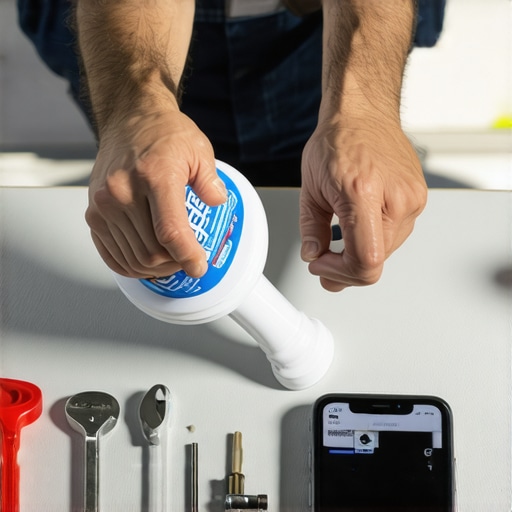
Ensuring your motorized patio shades continue to operate smoothly over time requires a mix of specific tools and consistent maintenance practices. I personally rely on a high-quality silicone-based lubricant, like WD-40 Specialist Silicone Spray, to keep the motor assemblies and moving parts free of debris and friction. Applying this every few months prevents squeaking and ensures swift responses from your Somfy shades. During my routine checks, I also use a microfiber cloth and a soft brush to gently remove dust accumulated on exposed components, which can impair sensor accuracy and motor function.
In addition, I utilize a digital multimeter to verify electrical connections within the motor system, catching potential issues before they escalate. Many automated systems include diagnostic features—coding and alerts—that help identify faults early. For example, some models offer app-based diagnostics, which I find invaluable for remote troubleshooting, especially when preparing for peak summer heatwaves.
Investing in the Right Software Causes a Big Difference
Calibration and scheduling are crucial steps, which can be refined with specialized software. I use the Somfy Connexoon app to fine-tune programming and sensor responses. This platform allows me to simulate sun movements and adjust shade responses accordingly, ensuring optimal performance throughout the day. As automation trends evolve, I predict that future systems will incorporate AI-driven learning capabilities, adjusting shades dynamically based on weather patterns and user preferences.
Regular updates to the firmware of your motorized shades are also essential. I check for updates quarterly, as manufacturers often release patches that improve responsiveness and energy efficiency. This proactive approach aligns with the guidance from industry experts, who emphasize that consistent software maintenance prolongs the lifespan of your shades and maintains their cooling benefits.
How do I maintain motorized shades over time?
Keeping your motorized patio shades functioning efficiently is all about routine inspections, lubrication, software updates, and proper sensor calibration. Additionally, establishing a monthly maintenance schedule allows you to catch minor issues early before they become costly repairs. For instance, checking the alignment of solar sensors ensures accurate sunlight detection, which directly influences shade responsiveness and energy savings. Incorporating these habits into your outdoor management routine guarantees your landscaping investment continues providing comfort and style well into the future.
The Hidden Gems of Shade Mastery You Didn’t Know
One of the most surprising lessons I learned during my patio shade upgrade was that small tweaks, like adjusting the tilt angle slightly more upright in the afternoon, can drastically improve comfort. It’s not always about more coverage but smarter coverage—leveraging the precise angle to deflect the sun more effectively. I also realized that the placement of sensors and even the orientation of fabric threads can influence how well your shades respond, which means careful calibration is key. Lastly, I discovered that overspending on high-end fabrics doesn’t always guarantee better heat reflection; the installation quality and maintenance matter just as much, if not more, to ensure longevity and performance.
My Go-To Resources That Keep My Shade Game Sharp
To stay ahead in managing my patio shades, I rely on the ultimate guide to custom patio shades, which offers insights into fabric materials and installations tailored for 2026’s climate. The motorized shade troubleshooting kit has been invaluable for quick fixes. For software, I trust the Somfy Connexoon app—it’s saved me hours of manual adjustments and keeps my system running smoothly. Additionally, industry reports on energy efficiency and outdoor living trends help me stay informed about what’s next in shading technology.
Your Path to Cooler Summers Starts Now
By applying these insider lessons and utilizing trusted tools, you’re empowered to transform your outdoor space into a truly cool haven against the 2026 heatwaves. Remember, perfecting your patio shades is an ongoing process—each adjustment gets you closer to effortless comfort and style. Don’t wait for the next heatwave to realize your outdoor oasis can be smarter and cooler; start today and enjoy every summer moment in your shaded sanctuary.