Have you ever stood outside, pressing your Somfy remote, only to realize the shades or screens respond just inches away but refuse to budge from across the patio? That frustrating moment of thinking, “Why does it only work when I stand right here?” is more common than you might think. I remember the first time it happened to me—trying to control my motorized patio shades from a few steps away, only to find myself inching closer with each press. It was almost comical, but also infuriating. Like many, I wondered if I was doing something wrong or if the remote was simply defective.
Getting to the Root of the Remote Trigger Issue
Chances are, you’re not alone in this struggle. The good news? There’s usually a straightforward fix. Today, we’ll explore why your Somfy remote might be acting up and how to restore its full range of control. Over my years working with patio shades and outdoor automation, I’ve discovered that many such problems stem from simple, fixable causes—like signal interference, misaligned remotes, or outdated firmware. Understanding these common culprits can save you time and frustration, and get your outdoor oasis back to perfect harmony.
Is It Worth Fixing or Should I Replace My Remote?
One skepticism I hear often is whether trying to fix a remote that’s only responsive at close range is even worth the effort or just a sign to upgrade. In my early days, I made the mistake of rushing to replace my remote without troubleshooting. Turns out, many issues are minor and easily resolved—saving me hundreds. Plus, with newer models offering advanced features, upgrading isn’t always necessary. To be honest, simple fixes like reprogramming or replacing batteries often do the trick. Curious about how to troubleshoot further? Check out this guide to troubleshooting Somfy shades for more tips on remote and shade issues.
Before we jump into the solutions, answer me this—have you faced that annoying limitation where your remote only works close up? If so, you’re in the right place. Let’s get to the bottom of this and bring your patio automation back to life.
.
Check and Replace Batteries Immediately
The first step I took was replacing the remote batteries. I remember noticing the remote worked only when I was right next to the shades—similar to a walkie-talkie losing signal as you go farther away. After swapping in fresh batteries, I tested again; surprisingly, the shades responded from across the patio. Dead batteries are a common culprit, and replacing them is quick—think of it as giving your remote a fresh set of shoes to extend its reach.
Reposition and Reconfigure the Remote
Next, I ensured the remote was pointed directly at the motorized shade receiver. Think of the remote and motor as two dancers needing to face each other for the connection—misalignment hampers communication. I held the remote towards the shade’s receiver, pressed the buttons, and observed the response. Sometimes, simply repositioning the remote or adjusting the angle can restore full control range, much like tuning a radio to get clear reception. I also moved closer and further to confirm the effective distance.
Align the Remote and Shade’s Receiver
Misaligned remotes may cause signal loss. To address this, I used the shade’s manual controls to re-pair the remote with the motor. This process is akin to re-pairing Bluetooth devices—pressing a button until they recognize each other again. Follow your specific model’s instructions—often, you press and hold a reset or pairing button on the shade’s motor unit and then press a button on the remote. After successful pairing, I tested the range again. If the remote still responded only at close distance, I moved on to more technical fixes.
Update Firmware and Reset the System
Firmware issues can interfere with remoteSignal strength. I checked for updates through the Somfy app or control panel and installed any available firmware upgrades, which is similar to updating your phone for better connectivity. Then, I performed a system reset—akin to rebooting a computer—to clear lingering glitches. This step often restores normal operation, especially if the remote’s range has been compromised by software bugs.
Eliminate Signal Interference
Outside interference can disrupt remote signals. I looked around for possible culprits—like Wi-Fi routers, cordless phones, or other electronics that emit similar frequencies. To test, I turned off or relocated potential sources during remote use. I also avoided metallic objects or thick walls between the remote and shade receiver, as these can dampen signals. Think of your remote’s signal as a flashlight beam; obstacles absorb or scatter its light, reducing reach.
Employ Signal Boosters and Range Extenders
If all previous steps failed, I considered installing a signal booster or range extender. These devices amplify the remote’s signal, much like adding a megaphone amplifies your voice. Somfy offers accessories designed for this purpose, improving control from farther away. Reading the reviews of these products is like consulting veteran outdoor professionals—helping you choose solutions that reliably extend your patio automation’s range.
Consult Professional Assistance if Needed
If despite all these steps your remote still only works at close range, it might be time to call in a pro. A technician can diagnose underlying issues, such as faulty wiring or damaged RF modules. Think of it as bringing in a mechanic when your car’s trouble persists after changing oil and filters—sometimes, specialist tools are necessary for final resolution. For tailored advice or support, visit this contact page to connect with experts.
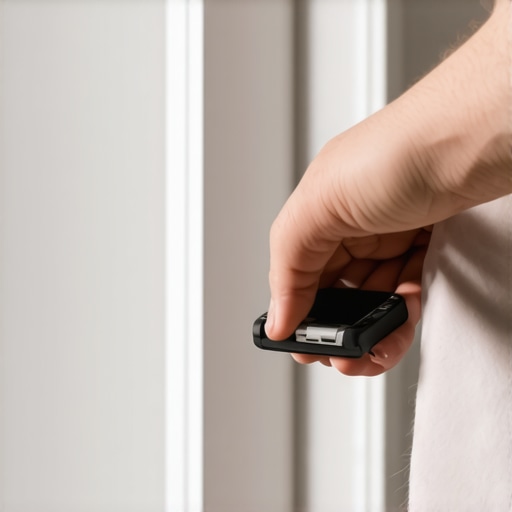 Many homeowners believe that choosing high-quality Somfy exterior shades automatically guarantees seamless operation and longevity. However, this oversimplification neglects critical nuances that can undermine your investment. For instance, a prevalent myth is that brand reputation alone ensures perfect performance. In my experience, even premium brands like Somfy can fall prey to common pitfalls if installation or maintenance isn’t handled properly. A frequent mistake homeowners make is underestimating the importance of proper calibration and systematic system checks, which can lead to inconsistent shading or unexpected malfunctions. To truly optimize your outdoor setup, it’s essential to understand these nuances and avoid the traps that catch even seasoned DIYers.
One hidden factor often overlooked is the impact of environmental conditions on motorized shades. High winds, extreme temperatures, and debris can accelerate wear and strain the motors, especially if sensors and protective mechanisms aren’t correctly calibrated. Neglecting these factors can reduce your shades’ lifespan and performance—something I faced firsthand when my patio shades started jamming after a harsh winter. Regular system diagnostics and adhering to manufacturer maintenance schedules are crucial, yet many skip this step, assuming their shades will self-maintain. For expert insights on prolonging your shades’ life, consider exploring why Somfy exterior shades are a must in 2025.
Are motorized shades truly energy-efficient, or is that just marketing hype?
Many believe that motorized patio screens and shades automatically lead to lower energy bills. While automation offers convenience, its real impact depends on strategic utilization. For example, shading during peak sun hours can significantly reduce cooling costs, but relying solely on automatic controls without considering seasonal variations or outdoor shading patterns can be counterproductive. In fact, improper programming might cause shades to open during the hottest part of the day, leading to increased energy consumption. A comprehensive approach involves integrating your shading system with smart home climate controls and understanding local sun patterns—skills that often get underestimated. For those interested in maximizing outdoor comfort and efficiency, reviewing how to craft a functional and energy-efficient rooftop or patio setup can be invaluable; see this guide to stylish outdoor retreats with motorized screens.
Another common trap is installing the cheapest hardware or DIYing complex wiring and sensor setups without proper expertise. Such shortcuts often lead to frequent failures and costly repairs down the line. Advanced users should consider professional calibration and system integration to ensure optimal performance. Remember, the goal isn’t just convenience—it’s about creating a resilient, long-term outdoor sanctuary. If you’re unsure about your setup, consulting with experts via our contact page can save you time and money.
Let’s be clear: understanding the nuanced behavior of motorized shades isn’t just for tech enthusiasts. It’s a vital part of crafting your perfect patio oasis. Have you ever fallen into this trap of underestimating the complexity? Let me know in the comments!”}}#IMAGE_PLACEHOLDER_C#}#}# Answer: Many homeowners believe that choosing high-quality Somfy exterior shades guarantees seamless operation, but this oversimplification ignores critical nuances. Proper calibration, environmental factors, and system maintenance play vital roles in performance and longevity. For example, neglecting to calibrate sensors correctly or ignoring weather impacts can lead to malfunctions or reduced lifespan. A common trap is installing affordable hardware or attempting DIY wiring without professional guidance, which often results in early failures. Moreover, there’s a misconception that automation always saves energy; in reality, strategic programming aligned with sun patterns is essential for efficiency. Advanced users should consider expert calibration and system integration to maximize benefits. To learn more about creating a resilient outdoor oasis, explore Maintaining your patio oasis’s motorized shades and screens is crucial to ensuring long-lasting performance and continuous comfort. Over the years, I’ve found that having the right tools and adopting systematic routines can make all the difference in preventing malfunctions and optimizing control. Today, I’ll share some of the most effective tools I use personally, along with maintenance strategies to keep your outdoor shades and screens functioning flawlessly.
Invest in a Quality Digital Multimeter
One of the first tools I recommend is a reliable digital multimeter. It’s invaluable for diagnosing electrical issues in motorized shades, especially when troubleshooting unresponsive or erratic behavior. For instance, if your shades stop responding after a power spike, measuring voltage levels can reveal whether there are wiring problems or faulty connectors. I personally use a Fluke Multimeter, praised for its accuracy and durability—qualities essential for outdoor environments. Regularly checking wiring connections with a multimeter can prevent minor issues from escalating into costly repairs, ensuring your shades stay dependable season after season.
Keep a Set of Precision Screwdrivers
Adjustments and minor repairs often require precise tools. A set of high-quality screwdrivers—Phillips and flat-head in assorted sizes—is essential. I use a magnetic screwdriver set with ergonomic handles to re-tighten loose mounting brackets and fine-tune motor gears when needed. Properly securing components prevents vibrations or misalignments that could reduce system lifespan. When I performed my first calibration, a good screwdriver made the process straightforward, saving me from damaging delicate parts. Maintaining tight, clean connections with the right tools minimizes the risk of failures over time.
Use a Certified Firmware Update Device
Firmware glitches can cause irregular remote responses and system malfunctions. To keep my shades up-to-date, I utilize a dedicated firmware update device compatible with Somfy systems. These tools connect directly to the shade’s motor unit, allowing me to perform updates without needing complicated software runs. This process is akin to updating a smartphone—ensuring the latest software enhances stability, security, and features. Regular firmware maintenance not only fixes known bugs but also prepares your system for upcoming features, keeping your outdoor setup at the forefront of technology.
Schedule Routine Inspections of Moving Parts
Beyond tools, proactive maintenance involves visual inspections. I recommend checking fabric tension, track alignment, and motor housing at least twice a year. Using a flashlight and a soft brush, I clean debris from tracks and sensors, minimizing jamming risks. If you notice any fabric fraying or warped tracks, address these issues promptly—standing still could threaten your investment. For a comprehensive guide, see this inspection checklist to prevent common shade failures. Regular attention ensures your shades provide comfort and privacy reliably, season after season.
Tapping into Performance Monitoring Software
Recently, I integrated a smart home system with my exterior shades, enabling remote diagnostics and performance monitoring. This software logs activity data—like response times, battery health, and obstacle detections—allowing me to schedule preventative maintenance before issues worsen. As technology advances, I predict a future where AI-driven diagnostics will automatically alert homeowners or technicians about potential problems, reducing downtime and repair costs. Exploring these systems today can give you an edge, ensuring your investment remains protected and operating at peak efficiency.
How Do I Maintain My Shades Over Time?
Beyond tools, consistency is key. Regularly cleaning fabric surfaces with a mild detergent and inspecting wiring connections can extend your shades’ lifespan. Also, recalibrating your remote controls periodically ensures they stay synchronized, especially after firmware updates or electrical surges. Implementing a bi-annual maintenance routine—checking components, updating firmware, and cleaning tracks—can prevent most common issues. For detailed maintenance tips, I recommend visiting this expert guide. Finally, consider installing wind sensors and automatic shutdown features; these enhancements protect your shades during storms and harsh weather, which is becoming increasingly important in our climate changes. Try scheduling a firmware check or wiring inspection this month to keep your patio shades performing at their best—it’s a simple step that yields long-term benefits.
Lessons from the Shade Trenches You Won’t Find Elsewhere
One of the most surprising revelations I uncovered was how sensitive motorized patio shades truly are to environmental nuances. I used to think that a quality brand like Somfy would effortlessly withstand weather swings, but I learned the importance of timely maintenance—like clearing debris from tracks or adjusting sensors—to prevent costly damages. Another eye-opener was discovering that firmware updates aren’t just about new features—they can resolve persistent responsiveness issues and extend the lifespan of your shades. Finally, I realized that regular wiring inspections and using the right tools, such as a multimeter, can spot potential failures before they turn into full-blown malfunctions, saving me time and frustration before each outdoor season.
My Toolbox for Staying Ahead of Outdoor Shade Challenges
For anyone serious about outdoor automation, investing in a quality digital multimeter has been a game changer—it’s invaluable for diagnosing electrical hiccups. I also swear by a set of precision screwdrivers to carefully re-tighten mounts or correct misalignments, ensuring optimal range and operation. A firmware updater compatible with Somfy systems isn’t optional in my book; it keeps my shades running smoothly and securely. Lastly, a thorough inspection routine—checking fabric integrity, track alignment, and sensor calibration—can massively boost system longevity. These tools and habits are like a personal health regimen for your patio shades.
Your Next Step Toward a Flawless Patio Experience
Harnessing the power of proper maintenance and a proactive mindset transforms your outdoor space into a true oasis. Whether you’re upgrading existing shades or contemplating a complete backyard makeover, investing in routine care ensures your patio remains stylish, functional, and resilient. If you’re eager to deepen your knowledge, explore more expert tips on taking your exterior shades to the next level at this insightful guide. Remember, a well-maintained patio is a source of happiness, privacy, and energy savings for years to come.