
![5 Motorized Patio Shades Fixes for a Cooler 2026 Summer [Tested]](https://homespatio.com/wp-content/uploads/2026/04/5-Motorized-Patio-Shades-Fixes-for-a-Cooler-2026-Summer-Tested.jpeg)
I remember the day I realized my beloved patio oasis was turning into a sun-drenched sauna every summer. It was a scorching afternoon, and as I tried to lower my motorized shades—only to discover they wouldn’t budge—I felt that frustrating mix of disappointment and helplessness. That moment was a lightbulb for me: if I wanted to enjoy my outdoor space during the hottest months, I needed to get serious about fixing and maintaining my shades.
< h2 >Why Fixing Your Motorized Patio Shades Matters Now< /h2 >< p >Summer 2026 isn’t that far off, and with climate patterns getting more unpredictable, our outdoor spaces are more valuable than ever. Properly functioning shades can block out the harshest sunlight, reduce indoor cooling costs, and extend your outdoor living season. Yet, many homeowners overlook small issues until they become big problems—like my initial neglect that led to a stuck shade and a lot of frustration.< /p > < p >According to experts at the < a href="https://www.energy.gov" target="_blank" rel="noopener noreferrer" >Department of Energy, shading devices can cut cooling costs by up to 30%. That’s a pretty compelling reason to keep your shading system in top shape, especially as summer temperatures continue to rise. But here’s the kicker: even the best motorized shades need regular maintenance and occasional repairs to perform at their best. That’s where I’ve learned some essential fixes that can save you a lot of money and hassle.< /p > < p >Are you tired of battling with stubborn shades or calling for pricey repairs? Have you faced the frustration of shades that stop working right before the hot weather hits? If so, you’re not alone. Today, I’m going to share five tested fixes that will help you keep your patio shades cool, smooth, and reliable for the summer of 2026. Ready to take control of your outdoor comfort? Let’s dive in.< /p > < h3 >Is It Really Worth Fixing Your Shades or Should You Replace Them?< /h3 > < p >Early on, I made the mistake of replacing my shades prematurely, thinking repairs wouldn’t hold. But I learned that many common issues—like motor glitches or fabric tears—are surprisingly simple to fix with the right tools and a bit of patience. Plus, a well-maintained shade system can extend its lifespan significantly, saving you hundreds of dollars. For tips on choosing the right shades and avoiding install pitfalls, check out my comprehensive guide on patio shades essentials. Now, let’s get practical—here are the fixes that made my summer cooler and more enjoyable.
Disconnect Power Before Starting Work
Before you begin any repair, turn off the power supply to your motorized patio shades. This is like unplugging your phone before fixing it; safety first prevents accidental activation during maintenance. For my own repairs, I turned off the breaker at the main panel and verified no current was flowing by testing the motor with a voltage tester. This step kept me safe and avoided unintended shade movement, which could cause injuries or damage.
Identify the Common Issue
Most problems, like shades getting stuck or not responding, stem from motor glitches, fabric tangles, or sensor misalignments. I noticed my shades wouldn’t roll down smoothly—sound familiar? To diagnose, manually extend the fabric and check for tears or obstructions. For motor issues, listen for humming sounds or test the remote controls. Knowing whether the problem is mechanical or electrical saves time and guides your repair approach.
Clean and Lubricate Moving Parts
Dust and debris can jam the mechanism, akin to rust clogging a bicycle chain. Use a soft brush or compressed air to clear out dust from tracks, rollers, and motors. Apply a silicone-based lubricant to components like rails and gears, avoiding oil-based lubricants that attract dust. During my fix, I cleaned the track with a cloth and sprayed silicone lube along the moving parts, which restored smooth operation without making a mess.
< >
>
Shim or Realign Sensors for Seamless Operation
Misaligned sensors can mistake shadows or objects as obstacles, halting your shades unexpectedly. Check the alignment of your Somfy exterior shades sensors—look for crooked brackets or dirt-covered lenses. I used a level to straighten sensors mounted on brackets and cleaned lens surfaces with a soft cloth, ensuring the shades moved smoothly and reliably. Proper sensor alignment makes a big difference in automation performance.
Repair or Replace Faulty Components
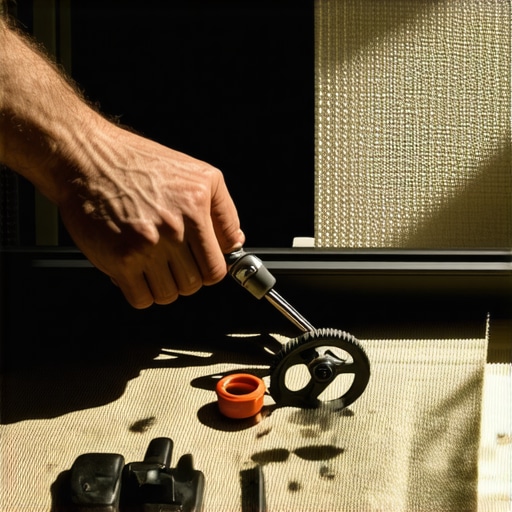
If the motor runs but the shade doesn’t move, the issue may be a broken drive belt or worn-out gears. Open the motor casing carefully with a screwdriver, inspecting internal parts for damage or wear. I replaced a worn belt, which is like changing a bicycle chain—simple but effective. For torn fabric or damaged sleeves, consider replacing the entire fabric roll or stitching tears. When in doubt, consult a professional or refer to the manufacturer’s instructions to avoid further damage.
Test Full Operation and Final Adjustments
Reconnect power and test your shades through their entire motion cycle. Observe for jerks, incomplete rolls, or delays. If the shades stop mid-way or don’t respond, revisit your adjustments—sometimes recalibrating the limit switches or re-aligning the motor position fixes the issue. I ran multiple cycles, gradually fine-tuning the limits until the shades operated flawlessly, giving my patio an instant upgrade for the summer ahead.
While many homeowners focus on selecting the right Somfy exterior shades or motorized patio screens, they often overlook subtle yet impactful details that can make or break long-term satisfaction. Let’s dig deeper into what most people get wrong about patio oasis solutions, revealing nuances that can save you frustration and money in the future.
First, a widespread misconception is believing that all custom patio shades are equally durable regardless of fabric choice. Many assume that a cheaper fabric will suffice, but in reality, premium outdoor fabrics treated for UV resistance and water repellency significantly extend shade lifespan. A study by the Outdoor Fabric Association highlights that fabric quality directly impacts UV degradation rates, which can cause premature tears and color fading. Don’t fall into the trap of choosing based solely on price; invest wisely in material quality.
Another common mistake involves underestimating the importance of proper installation. While DIY kits for motorized patio shades are tempting, improper alignment or incorrect sensor placement can lead to frequent malfunctions. For example, misaligned sensors may cause shades to stop unexpectedly or respond slowly, as I learned from personal experience. This is not just a matter of convenience but also safety, since poorly installed systems can pose risks during storms or high winds.
An often-overlooked aspect is the automation logic settings. Many users assume that once configured, the system will seamlessly adjust to weather conditions. However, inadequate programming or failure to calibrate sensors correctly can lead to shades opening during rain or not responding to sunset timers. Consulting with a specialist or thoroughly testing your system’s responses can prevent such issues. According to expert advice from Somfy’s professional guides, fine-tuning automation settings is crucial for optimal operation.
Now, addressing the advanced question:
How can I ensure my motorized patio shades adapt effectively to seasonal changes without constant manual adjustments?
The key lies in leveraging smart automation algorithms that incorporate local weather data and sunrise-sunset timings. Integrating your shades with a home automation system that uses real-time weather feeds—like those from the Weather Channel—can automatically adjust shading levels based on temperature, sunlight intensity, or wind speeds. This setup not only enhances comfort but also prolongs the lifespan of your shades by reducing unnecessary wear.
In conclusion, avoiding these hidden pitfalls requires a combination of quality materials, precise installation, thoughtful system configuration, and adaptive automation. Recognizing the nuances between basic setups and sophisticated automation can elevate your outdoor living experience from average to exceptional. Have you ever fallen into this trap? Let me know in the comments.
Keep Your Shades Running Smoothly with the Right Tools
Maintaining your motorized patio shades is crucial to ensure they operate seamlessly year after year. Over time, dirt, dust, and wear can diminish performance, but with the right tools and routine, you can keep everything functioning perfectly. One essential tool I swear by is a quality miniature torque screwdriver. It allows me to tighten screws on motors and brackets precisely without over-tightening, which can cause damage. For cleaning tracks and fabric, I rely on a set of soft brushes paired with compressed air cans—these are gentle yet effective at removing debris that can cause jams or uneven movement.
When it comes to lubricating moving parts, I prefer a high-grade silicone spray lubricant. Unlike oil-based alternatives, silicone doesn’t attract dust and offers longer-lasting lubrication. I apply it carefully along rails, pulleys, and gears during routine maintenance. Furthermore, I use a digital multimeter to troubleshoot electrical issues. It helps me quickly determine if motors are receiving power or if wiring connections need attention, saving time and preventing unnecessary replacements.
For software updates or system calibration, I turn to manufacturer-specific apps or web portals. Somfy, for instance, offers a dedicated app that connects to their motor systems via Wi-Fi hubs. These apps allow me to perform firmware updates, recalibrate limits, and fine-tune automation settings from my phone, ensuring my shades stay responsive and reliable.
Predicting future trends, I believe smart connectivity and predictive maintenance will become more integrated into these systems. Robots and IoT devices could potentially alert you to issues before they happen, reducing downtime and repair costs. Imagine having your custom patio shades automatically notify you of wear or mechanical issues—potentially saving hundreds in repairs down the line.
How do I keep my shades functioning over time
One of the best methods is establishing a regular maintenance routine—quarterly checkups to clean, lubricate, and inspect wiring connections can extend your system’s lifespan significantly. Additionally, keeping your software up to date ensures compatibility and access to new features that improve performance. Don’t forget to periodically test your automation settings—simple recalibrations can prevent surprises during peak usage. For instance, I schedule a detailed inspection every spring, focusing on sensors, fabric condition, and motor operation, which has kept my shades reliable season after season. If you want to optimize longevity, consider investing in a comprehensive maintenance kit designed specifically for Somfy exterior shades. Try implementing just one advanced tip today: perform a firmware check using your app, and update your system to benefit from the latest features and fixes, ensuring your outdoor oasis remains a shaded sanctuary for years to come.
The Hidden Wisdom Behind DIY Shade Fixes That Saved Me
One of the most surprising lessons I learned was that many shade issues are simpler to fix than I initially thought. Sometimes, a quick clean or realignment can breathe new life into a tired system, saving hundreds of dollars on professional repairs. I also discovered that investing in quality tools like silicone lubricants and multimeters not only speeds up repairs but also provides a sense of confidence in maintaining my outdoor oasis. Lastly, embracing regular maintenance routines has transformed my attitude towards outdoor comfort, making shade care an empowering experience rather than a chore.
My Go-To Resources for Perfect Patio Shade Maintenance
Primarily, I trust the official Somfy guides because they offer comprehensive, manufacturer-approved advice that’s easy to follow. For technical tools, I rely on brands like Fluke for multimeters, which are durable and precise. To stay ahead of weather-related challenges, I subscribe to weather forecast services like Weather.com, integrating their data into my automation setup. Lastly, the community forums on Houzz provide real-world tips from fellow patio enthusiasts, offering inspiration and troubleshooting ideas that resonate with my experiences.
Your Outdoor Paradise Starts with Action
Remember, maintaining your patio shades is more than just upkeep—it’s an investment in your daily comfort and long-term enjoyment of your outdoor space. With a little knowledge and the right tools, you can turn frustrating shade issues into opportunities for improvement. The journey to a perfect patio oasis is ongoing, but each small fix brings you closer to a shaded sanctuary that truly feels like home. Now’s the time to get your hands dirty and your shades shining—your perfect outdoor retreat awaits.