I’ll never forget the day I discovered a mysterious stain creeping across my beautiful Somfy exterior shades. Bright sunlight, a sudden gust of wind, and a reckless bird—next thing I knew, my once pristine shades looked dingy and worn. Frustrating doesn’t even begin to cover it. I had spent years enjoying my patio oasis, only to see it marred by simple dirt and grime I struggled to clean without risking damage. That realization hit me hard: keeping those motorized marvels clean isn’t as straightforward as swiping with a cloth.
The Common Dilemma: How Do You Clean Exterior Shades Without Ruining the Fabric?
Many homeowners face the same dilemma: want your outdoor shades to look fresh and functional, but worry about causing tears, fading, or other damage during cleaning. It’s a valid concern. Exterior shades, especially motorized ones from brands like Somfy, are investments—designed to protect your privacy, enhance style, and even improve energy efficiency. But the wrong cleaning method can turn a simple upkeep task into costly repairs.
Researchers point out that improper cleaning can accelerate fabric wear and diminish the lifespan of outdoor shades. A helpful tip I learned early was that aggressive scrubbing or using harsh chemicals can easily damage delicate fabric fibers, particularly in exposed outdoor environments. Worth noting: according to industry experts, regular gentle cleaning extends the life of exterior shades more than infrequent, aggressive scrubbing.
Have you ever tried to spray down your shades with a high-pressure hose or used a stiff brush? If yes, then you probably saw some frayed fabric or, worse, streaks of discoloration. Believe me, I’ve been there—mistakenly thinking more power meant cleaner. Early on, I made the mistake of using bleach-based cleaners, which caused my shades to fade faster. You can avoid costly blunders by understanding the best cleaning practices from the start.
Now, let’s look at how you can keep your Somfy shades looking great without damaging them, starting with simple, proven techniques. Ready to transform your maintenance routine? Keep reading, and you’ll soon be a pro at keeping your shades pristine, protected, and perfectly functional.
Prepare Your Tools to Protect Your Shades
Before starting, gather a soft-bristled brush, a garden hose with a spray nozzle, a bucket of warm water, and a gentle, non-abrasive cleaner like mild soap or a specialized fabric cleaner. Avoid harsh chemicals like bleach or ammonia, which can degrade fabric fibers and fade colors. Think of it like tending to a delicate garden—gentle care preserves beauty and longevity.
Start with Dry Removal of Loose Dirt
Gently sweep the surface of the shades with a soft brush to remove loose dirt and debris. I remember once attempting to spray off stubborn dust without this step, which caused dirt to embed deeper into the fabric. Doing this dry brushing first prevents scratching or forcing dirt into fibers during wet cleaning.
Use Gentle Rinsing Techniques
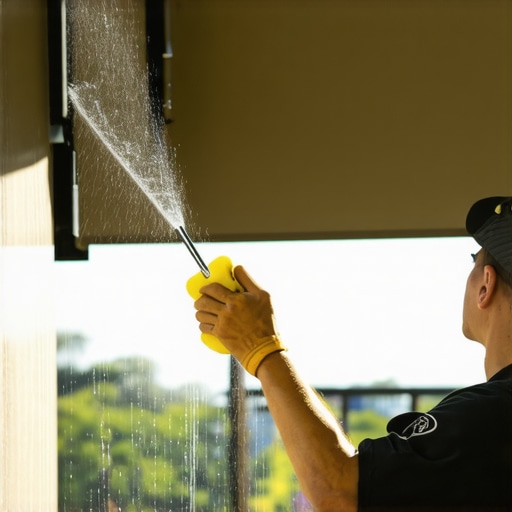
Attach your spray nozzle to the garden hose and set it to a gentle, wide spray pattern. Slowly rinse the shades from top to bottom, maintaining a safe distance to avoid high-pressure damage—roughly 3 to 5 feet away. I learned this the hard way when I blasted my shades at close range; the fabric developed tiny tears. Think of this process as lightly misting a delicate flower rather than watering a cactus with a jet stream.
Apply a Mild Cleaning Solution
Mix warm water with a small amount of mild soap or fabric cleaner. Dip a soft sponge or cloth into the solution and gently wipe the surface, focusing on stained or heavily soiled areas. For stubborn stains, you can let the solution sit for five minutes before gently wiping. Remember, brute force isn’t necessary—patience and softness prevent damage. During my first attempt, I vigorously scrubbed, which caused some fibers to fray. Now, I treat my shades as I would fine silk.
Final Rinse and Drying for Protection
Rinse the shades again with clean, gentle water to remove soap residue. Use a clean, soft cloth or towel to blot excess water—never wring or twist—to avoid distorting the fabric. Allow the shades to air dry fully in a shaded area; direct sunlight can cause fading during the drying process. Once, I rushed the drying in the sun, which resulted in uneven fading. Air drying ensures even moisture removal, extending the lifespan of your outdoor shades.
Extra Tips for Long-Term Care
Regular cleanings every few months keep dirt from building up, which can be harder to remove over time. Also, consider applying a fabric protectant designed for outdoor use—this can repel water and stains, much like a raincoat shields you from the elements. For more detailed maintenance routines, check out practical tips on fixing stuck shades or privacy hacks to ensure your shades stay functional and private.
 Many assume that choosing high-quality motorized patio shades like those from Somfy guarantees effortless durability and perfect performance. However, advanced users know that there’s more to it—nuances that can make or break your outdoor shading experience. A common myth is that all shades are equally resistant to wind, rain, or UV exposure, but in reality, subtle differences in fabric treatment and sensor calibration deeply influence longevity and functionality. For instance, neglecting to regularly update motor firmware or incorrectly setting wind sensors can lead to premature wear or even shade damage. An overlooked mistake is ignoring the importance of correct alignment; misaligned shades can cause fabric tears or motor strain, especially during windy conditions.
What sophisticated issues could cause your shades to malfunction despite proper installation?
Often, complex issues stem from environmental factors or misconfigurations—such as inadequate sensor sensitivity settings or outdated software—that are less obvious but critically impact performance. According to industry experts, like those discussed in studies on outdoor fabric preservation (see here), proactive maintenance and nuanced understanding of shade operation dramatically extend lifespan. For example, intuitively setting wind sensors too low may cause unnecessary shade retraction, exposing fabrics to damage during storms. Conversely, overly high sensitivity might result in constant retractions, annoying users and increasing wear. Additionally, many overlook the importance of integrating your shades with home automation systems properly. Voice control and advanced scheduling not only enhance usability but also ensure sensors and motors work harmoniously, preventing mechanical stress. This is why I recommend exploring how to voice-control your patio shades effortlessly, avoiding manual errors. Just as crucial is understanding that improper cleaning or neglecting updates can lead to unexpected failures—so regular maintenance tailored to your shade system’s specifications is essential. Finally, avoiding generic approaches and opting for custom configurations can optimize your patio oasis, ensuring maximum comfort and protection. Have you ever fallen into this trap? Let me know in the comments.Maintaining your motorized patio shades like those from Somfy requires more than just occasional cleaning; it demands precision tools and disciplined routines. I personally rely on a set of specialized equipment that ensures my shades stay operational and looking their best. For instance, I use a digital multimeter to regularly check the motor’s voltage and ensure electrical components are functioning properly, preventing unexpected failures. Additionally, a small, cordless vacuum with a soft brush attachment helps me remove dust from motor housings and fabric surfaces without risking damage. Regular inspections with a flashlight reveal subtle tears or wear that might go unnoticed during routine cleaning, allowing for timely repairs. To manage firmware updates or correct alignment issues, I utilize the manufacturer’s dedicated app, which offers step-by-step guidance and real-time diagnostics—saving me costly service calls. Looking ahead, I predict that smart, integrated maintenance tools—like IoT-enabled sensors monitoring fabric tension or motor health—will become standard, making upkeep even more seamless for homeowners. Regarding software, I swear by calibration apps provided by Somfy, which help optimize wind sensor sensitivity and prevent overreach that can harm the fabric. I’ve found that proactively tracking performance metrics via these tools prolongs the lifespan of my shades and maintains optimal functionality.
What’s the best way to keep your shades working smoothly over time?
I recommend establishing a routine that combines regular physical inspections using essential tools with software checks to catch issues early. For example, every season, I run a quick diagnostic using the app to verify motor response and sensor calibration, ensuring my shades adapt well to changing weather. Also, I periodically clean the fabric with gentle solutions, as discussed in our maintenance routines, but integrating these hardware checks keeps everything in balance. Remember, simple tools like a multimeter and a basic app can prevent minor problems from escalating, saving you time and money. To further streamline your maintenance, consider installing smart sensors that send alerts directly to your phone when irregularities occur, allowing you to address issues proactively. If you’re serious about making your outdoor shading system last, I highly recommend trying the calibration tips shared in our previous articles on shade settings for extreme weather. They might just be the upgrade your patio oasis needs for a trouble-free season.
The Hardest Lesson I Learned About Somfy exterior shades,Patio Shades,Motorized Patio Shades,Custom Patio Shades,Motorized Patio Screens,Patio Oasis,Somfy Shades
One of my biggest surprises was realizing that neglecting regular maintenance and proper cleaning techniques could lead to premature fabric wear, even with high-quality shades like Somfy. I once believed that occasional cleaning was enough, but I discovered that consistent, gentle care is essential for long-term durability.
Another insight was understanding the importance of correct sensor calibration. Initially, I ignored wind sensor settings, which resulted in unnecessary shade movements and fabric stress. Fine-tuning these sensors according to expert recommendations significantly improved performance and extended the life of my shades.
The hardest lesson was realizing that tools matter. Regularly using a soft brush, a gentle cleaner, and monitoring hardware with the manufacturer’s app helped me catch issues early, preventing costly repairs. Investing in a basic multimeter and smart sensors improved my maintenance routine immensely.
My Essential Toolkit for Preserving Somfy Shades
I rely heavily on a soft-bristled brush, a garden hose with a wide spray nozzle, and mild cleaning solutions like gentle soap. Additionally, I trust the Somfy dedicated app for firmware updates, calibration, and diagnostics. Using these tools, I maintain my shades efficiently and prevent minor issues from escalating. For detailed guides on maintenance routines, check out our article on fixing stuck shades.
Moreover, installing smart sensors that send real-time alerts about fabric tension or motor health has become a game-changer, allowing me to address problems before they cause damage. These advancements align with the predicted future of smart, self-monitoring patio shading systems.
Your Next Step to a Longer-Lasting Patio Oasis
Taking proactive measures today can dramatically impact the longevity and performance of your Somfy exterior shades. Regularly inspect, calibrate, and gently clean your shades, and consider integrating smart sensors for ongoing health monitoring. Remember, the key is consistent, gentle care combined with the right tools—this approach ensures your outdoor oasis remains stylish, functional, and protected for years to come.